Sustainable Development Goals and Environment – Future with Healthy Planet
Learn about Sustainable Development Goals and Environment, fight climate change, conserve resources and build a greener future for all.
Sustainable Development Goals and Environment
The environment is one of the most valuable gifts of nature. Clean air, fresh water, forests, wildlife, and fertile land are essential for human survival. However, rapid industrialization, pollution, deforestation, and climate change have created serious environmental challenges around the world. To solve these global problems and create a better future, the United Nations introduced the Sustainable Development Goals (SDGs) in 2015.
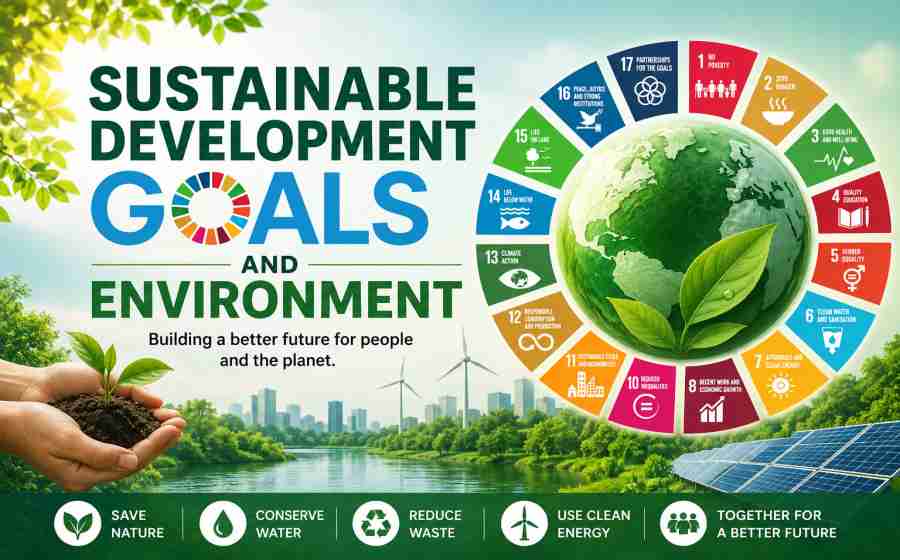
The Sustainable Development Goals are a collection of 17 global goals designed to improve life on Earth by 2030. These goals focus on ending poverty, improving education, ensuring good health, promoting equality, and protecting the environment. Environmental sustainability is one of the most important parts of the SDGs because a healthy planet is necessary for human development.
Table of Contents
What are Sustainable Development Goals (SDGs)?
The Sustainable Development Goals, also called the Global Goals, were adopted by the United Nations in September 2015. These goals replaced the Millennium Development Goals (MDGs) and aim to create a balanced world where economic growth, social progress, and environmental protection work together.
The 17 SDGs are connected to each other, meaning progress in one area supports progress in others. For example, clean water improves health, renewable energy reduces pollution, and sustainable cities protect natural resources.
Importance of Environment in SDGs
Environmental protection is at the heart of sustainable development. Without a healthy environment, humans cannot survive or grow economically. Environmental sustainability ensures that natural resources are used wisely so future generations can also benefit from them.
The SDGs encourage countries to:
- Reduce pollution
- Protect forests and wildlife
- Use renewable energy
- Control climate change
- Conserve oceans and rivers
- Promote sustainable farming
These actions help maintain ecological balance and improve the quality of life for people worldwide.
Key SDGs Related to Environment
SDG 6: Clean Water and Sanitation
This goal focuses on providing safe drinking water and proper sanitation facilities for all people. Water pollution caused by industries, plastic waste, and chemicals threatens human health and aquatic life.
SDG 6 promotes:
- Water conservation
- Wastewater treatment
- Clean rivers and lakes
- Sustainable use of water resources
Access to clean water is essential for healthy communities and environmental protection.
SDG 7: Affordable and Clean Energy
Traditional energy sources like coal and oil produce greenhouse gases that cause global warming. SDG 7 encourages the use of renewable energy sources such as:
- Solar energy
- Wind energy
- Hydropower
- Biomass energy
Clean energy reduces air pollution and helps fight climate change while ensuring sustainable economic growth.
SDG 11: Sustainable Cities and Communities
Urban areas face problems such as traffic congestion, air pollution, waste generation, and lack of green spaces. SDG 11 aims to make cities cleaner, safer, and more sustainable.
This goal promotes:
- Eco-friendly transport
- Green buildings
- Waste management
- Public parks
- Disaster-resistant infrastructure
Sustainable cities improve living standards while reducing environmental damage.
SDG 12: Responsible Consumption and Production
Modern lifestyles often lead to excessive consumption and waste generation. SDG 12 encourages people and industries to use resources responsibly.
This includes:
- Recycling materials
- Reducing plastic use
- Saving electricity and water
- Minimizing food waste
- Promoting sustainable products
Responsible consumption helps conserve natural resources and reduces pollution.
SDG 13: Climate Action
Climate change is one of the greatest environmental threats today. Rising temperatures, floods, droughts, and extreme weather events are affecting millions of people globally.
SDG 13 focuses on:
- Reducing carbon emissions
- Promoting renewable energy
- Increasing climate awareness
- Supporting environmental policies
Countries are encouraged to work together to limit global warming and protect the planet.
SDG 14: Life Below Water
Oceans and marine ecosystems are important for biodiversity and climate balance. Pollution, overfishing, and plastic waste are harming marine life.
SDG 14 aims to:
- Reduce marine pollution
- Protect coral reefs
- Prevent overfishing
- Conserve marine biodiversity
Healthy oceans support food security and environmental stability.
SDG 15: Life on Land
Forests, wildlife, and ecosystems are essential for maintaining biodiversity. Deforestation and habitat destruction threaten many species.
SDG 15 promotes:
- Forest conservation
- Wildlife protection
- Land restoration
- Sustainable agriculture
Protecting land ecosystems helps maintain ecological balance and supports human survival.
Challenges in Achieving Environmental SDGs
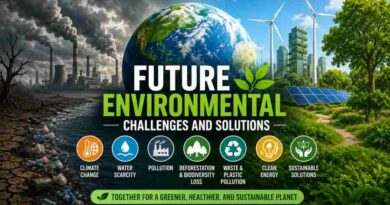
Although countries are working toward the SDGs, many challenges remain. Some major obstacles include:
Pollution
Industrial waste, vehicle emissions, and plastic pollution continue to damage the environment.
Population Growth
Increasing population puts pressure on natural resources such as water, land, and forests.
Climate Change
Global warming causes rising sea levels, heatwaves, and natural disasters.
Lack of Awareness
Many people are still unaware of sustainable practices and environmental conservation.
Deforestation
Cutting down forests for urbanization and agriculture destroys habitats and increases carbon emissions.
To overcome these challenges, governments, industries, and individuals must work together.
Role of Individuals in Supporting SDGs
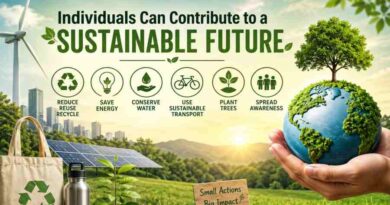
Every person can contribute to environmental sustainability through simple actions. Small changes in daily life can create a big impact.
People can:
- Plant trees
- Save water and electricity
- Use public transport
- Avoid single-use plastics
- Recycle waste
- Support renewable energy
- Spread environmental awareness
Students and young people especially play an important role in creating a sustainable future.
India and Sustainable Development Goals
India has taken several steps to achieve environmental SDGs. Programs like:
- Swachh Bharat Abhiyan
- National Solar Mission
- Namami Gange Project
- Green India Mission
help improve sanitation, renewable energy, river cleaning, and forest conservation.
India is also promoting electric vehicles, clean cooking fuel, and sustainable farming practices to reduce environmental damage.
Summary
The Sustainable Development Goals are a global blueprint for creating a better and greener future. Environmental protection is deeply connected with human health, economic growth, and social development. Goals related to clean water, renewable energy, climate action, sustainable cities and biodiversity are essential for maintaining ecological balance.
Achieving these goals requires cooperation from governments, businesses, communities, and individuals. By adopting sustainable habits and protecting natural resources, humanity can ensure a safe and healthy planet for future generations.
The success of the SDGs will not only improve the environment but also create a world where people and nature can live together peacefully and sustainably.
Also Check: Environment