Peru – History, Culture, Sports and Fascinating Facts About the Land of the Incas
Discover Peru’s rich history, vibrant culture, famous sports, ancient Inca heritage, stunning landscapes and fascinating facts in this informative overview.
Peru
Peru is one of South America’s most fascinating countries, known for its ancient civilizations, breathtaking landscapes, colorful traditions, and rich cultural heritage. Located on the western coast of South America, Peru is home to majestic mountains, dense rainforests, vast deserts, and some of the world’s most important archaeological sites. The country attracts millions of visitors every year who come to explore its history, natural beauty, and unique traditions.
From the legendary Inca Empire to modern achievements in sports, arts, and tourism, Peru offers a remarkable blend of the past and present. This article explores Peru’s history, culture, sports, geography, economy, and other key facts.
Table of Contents
History of Peru
The history of Peru dates back thousands of years. Long before the rise of the Incas, several advanced civilizations flourished in the region. Among the earliest were the Norte Chico, Chavín, Nazca, and Moche cultures, which made significant contributions to architecture, agriculture, and art.
The most famous civilization in Peru’s history is the Inca Empire. Founded in the 13th century, the Incas built one of the largest empires in the Americas. Their capital city was Cusco, and they developed an extensive network of roads, impressive stone structures, and advanced farming techniques.
In the 16th century, Spanish explorers arrived in South America. In 1532, Spanish forces led by Francisco Pizarro conquered the Inca Empire. Peru then became an important colony under Spanish rule for nearly 300 years.
Peru gained independence from Spain on July 28, 1821, following efforts led by independence leaders. Since then, the country has developed into a democratic republic while preserving many aspects of its indigenous heritage.
Geography and Natural Beauty
Peru covers approximately 1.28 million square kilometers, making it one of the largest countries in South America. It shares borders with Ecuador, Colombia, Brazil, Bolivia, Chile, and the Pacific Ocean.
The country is divided into three major geographical regions:
1. Coastal Region
The western coast features deserts, fertile valleys, and major cities, including the capital city, Lima.
2. Andes Mountains
The Andes run through the center of Peru and contain some of the highest peaks in South America. This region is known for breathtaking scenery and ancient Inca sites.
3. Amazon Rainforest
Eastern Peru is covered by the Amazon rainforest, one of the most biodiverse ecosystems on Earth.
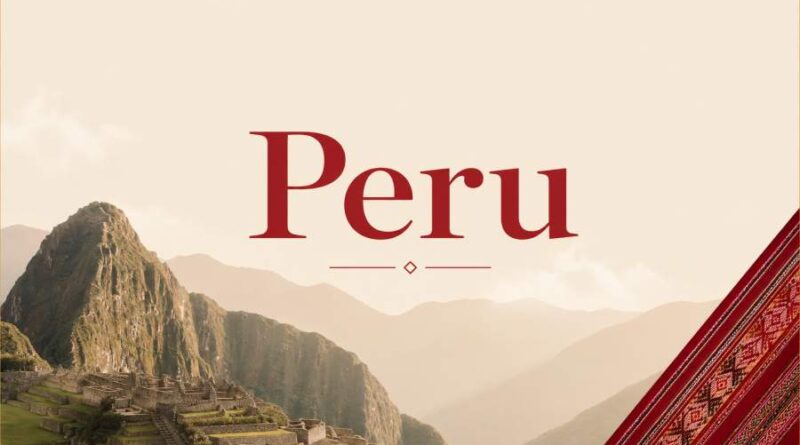
Peru is also famous for natural attractions such as Machu Picchu, Lake Titicaca, and the mysterious Nazca Lines.
Culture of Peru
Peruvian culture reflects a blend of indigenous, Spanish, African, and Asian influences. This cultural diversity is evident in language, music, festivals, cuisine, and traditional clothing.
Languages
Spanish is the official language of Peru and is spoken by most of the population. Indigenous languages such as Quechua and Aymara are also widely spoken in certain regions.
Traditional Clothing
Many people in rural Andean communities continue to wear colorful traditional garments, often decorated with intricate patterns that reflect local customs and heritage.
Music and Dance
Music plays an important role in Peruvian culture. Traditional instruments include panpipes, flutes, and drums. Popular folk dances are performed during festivals and celebrations throughout the year.
Peruvian Cuisine
Peru is internationally recognized for its outstanding cuisine. The country’s food combines indigenous ingredients with influences from Europe, Africa, China, and Japan.
Popular Peruvian dishes include:
- Ceviche (marinated seafood)
- Lomo Saltado (stir-fried beef)
- Aji de Gallina (creamy chicken dish)
- Anticuchos (grilled meat skewers)
- Causa (potato-based dish)
Peruvian cuisine is considered among the finest in the world due to its variety, flavors, and unique ingredients.
Festivals and Traditions
Peru celebrates numerous festivals that showcase its rich cultural heritage.
Some major festivals include:
- Inti Raymi (Festival of the Sun)
- Carnival celebrations
- Semana Santa (Holy Week)
- National Independence Day
These events feature colorful costumes, music, dance performances, and traditional ceremonies that attract both locals and tourists.
Sports in Peru
Sports are an important part of Peruvian society, with football being the most popular sport in the country.
Football
Football enjoys massive support throughout Peru. The national football team has participated in several international tournaments and continues to inspire young athletes.
Volleyball
Volleyball is especially popular among women and has achieved considerable success at international competitions.
Surfing
Thanks to its long Pacific coastline, Peru has become a well-known destination for surfing enthusiasts. The country’s beaches offer excellent waves for both beginners and professionals.
Adventure Sports
Mountain climbing, trekking, rafting, and cycling are popular activities due to Peru’s diverse landscapes.
Economy of Peru
Peru has one of the fastest-growing economies in South America. Major sectors include:
- Mining
- Agriculture
- Tourism
- Fishing
- Manufacturing
The country is a leading producer of copper, silver, zinc, and gold. Agriculture also plays a significant role, with exports including coffee, asparagus, grapes, and avocados.
Tourism contributes significantly to the economy, with millions of visitors exploring historical sites, natural wonders, and cultural attractions each year.
Education and Modern Development
Peru has made considerable progress in education, healthcare, and infrastructure over recent decades. Major cities continue to expand, while investments in technology and transportation support economic growth.
Universities and research institutions contribute to scientific development, and educational reforms aim to improve opportunities for future generations.
Key Facts About Peru
- Capital: Lima
- Continent: South America
- Official Language: Spanish
- Currency: Peruvian Sol
- Independence Day: July 28, 1821
- Highest Peak: Huascarán
- Famous Ancient Civilization: Incas
- Major Attraction: Machu Picchu
- Largest Rainforest Region: Amazon Basin
- National Sport Popularity: Football
Summary
Peru is a country rich in history, culture, and natural beauty. From the remarkable achievements of the Inca civilization to the vibrant traditions of modern society, Peru offers a unique blend of ancient heritage and contemporary development. Its stunning landscapes, world-famous cuisine, exciting sports culture, and welcoming people make it one of the most fascinating nations in South America. Whether exploring Machu Picchu, enjoying traditional festivals, or learning about its remarkable past, Peru continues to captivate and inspire people around the world.
Also Check: General Knowledge