Latvia – History, Culture, Sports, Geography and Important Facts
Discover Latvia’s history, culture, sports, geography, traditions and key facts. Learn what makes Latvia one of Northern Europe’s unique nations.
Latvia
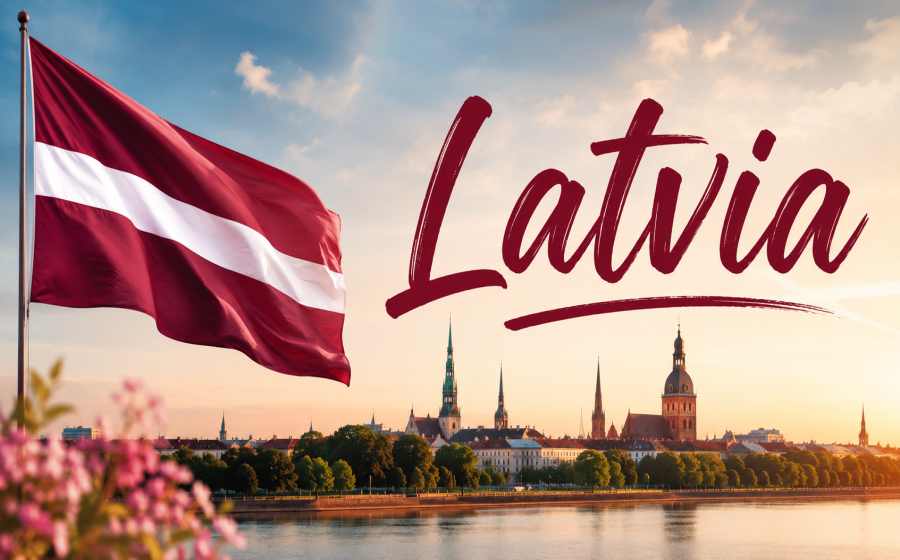
Latvia is a beautiful country in Northern Europe, located on the eastern coast of the Baltic Sea. It is one of the three Baltic countries, alongside Estonia and Lithuania. Known for its picturesque forests, medieval towns, pristine beaches, and rich cultural heritage, Latvia has developed into a modern European nation while preserving its ancient traditions. The country attracts visitors with its vibrant festivals, historic architecture, and stunning natural landscapes.
Although Latvia is relatively small in size, it has made significant contributions in areas such as music, science, sports, and environmental conservation. It is also recognized for its high quality of life, strong education system, and commitment to protecting nature.
Table of Contents
Location and Geography
Latvia covers an area of approximately 64,589 square kilometers. It shares borders with Estonia to the north, Lithuania to the south, Russia to the east, and Belarus to the southeast. The western boundary lies along the Baltic Sea, providing Latvia with a coastline of more than 500 kilometers.
Much of Latvia is covered by forests, lakes, rivers, and wetlands. Around half of the country is forested, making it one of Europe’s greenest nations. The Daugava River is the country’s most important river, while Gauja National Park is famous for its valleys, caves, and scenic beauty. The climate is temperate, featuring warm summers and cold, snowy winters.
Capital and Major Cities
The capital city of Latvia is Riga, which is also the country’s largest city. Riga is well known for its UNESCO-listed Old Town, impressive Art Nouveau architecture, museums, and lively cultural scene.
Other important cities include:
- Daugavpils
- Liepāja
- Jelgava
- Jūrmala
- Ventspils
These cities contribute to Latvia’s economy, education, tourism, and transportation.
A Brief History of Latvia
The territory of present-day Latvia has been inhabited for thousands of years by Baltic tribes. During the Middle Ages, German crusaders established control over the region, leading to the growth of trade and the founding of Riga in 1201.
Over the centuries, Latvia came under the rule of Poland, Sweden, and later the Russian Empire. Following the First World War, Latvia declared independence on 18 November 1918.
During the Second World War, Latvia experienced occupations by both Nazi Germany and the Soviet Union. After the war, it became one of the republics of the Soviet Union.
The Latvian independence movement gained momentum during the late 1980s, and Latvia restored its independence on 21 August 1991.
Since regaining independence, Latvia has become a democratic republic and joined both the European Union (EU) and NATO in 2004.
Government and Economy
Latvia is a parliamentary democratic republic. The President serves as the head of state, while the Prime Minister leads the government.
Latvia’s economy has grown steadily through industries such as:
- Information technology
- Manufacturing
- Logistics
- Financial services
- Forestry
- Agriculture
- Tourism
The official currency is the Euro (€), adopted in 2014.
Culture and Traditions
Latvian culture reflects centuries of Baltic heritage mixed with European influences. Music, dance, handicrafts, and seasonal celebrations remain central to national identity.
One of Latvia’s most famous traditions is the Latvian Song and Dance Festival, held every five years. Thousands of singers and dancers participate, making it one of the largest cultural festivals in Europe.
Traditional crafts include:
- Wood carving
- Weaving
- Pottery
- Amber jewelry
- Linen textiles
Family values and community celebrations continue to play an important role in everyday life.
Language and Religion
The official language is Latvian, which belongs to the Baltic branch of Indo-European languages. Russian is also widely understood due to historical reasons, while English is increasingly common among younger generations and in tourism.
The major religions include:
- Lutheran Christianity
- Roman Catholicism
- Eastern Orthodoxy
Many Latvians also celebrate traditional seasonal customs connected with nature.
Food of Latvia
Latvian cuisine emphasizes locally grown ingredients and hearty meals suitable for its northern climate.
Popular dishes include:
- Rye bread
- Grey peas with bacon
- Potato pancakes
- Smoked fish
- Mushroom soups
- Cottage cheese desserts
- Honey-based sweets
Fresh berries, dairy products, and seafood are also important parts of Latvian cooking.
Education and Innovation
Latvia has a strong education system with high literacy rates. The country encourages scientific research, technology, and innovation.
Major universities include:
- University of Latvia
- Riga Technical University
- Latvia University of Life Sciences and Technologies
Latvia has also developed a growing startup ecosystem, particularly in information technology and digital services.
Sports in Latvia
Sports play an important role in Latvian society.
Ice Hockey
Ice hockey is considered the country’s most popular sport. Latvia has consistently competed in international championships and has produced several internationally recognized players.
Basketball
Basketball enjoys widespread popularity, and Latvia has a long tradition of producing talented players who compete in European leagues and international tournaments.
Athletics
Latvian athletes have achieved success in:
- Javelin throw
- BMX cycling
- Tennis
- Beach volleyball
- Skeleton racing
The country regularly participates in the Olympic Games and has won medals across multiple sporting events.
Tourism in Latvia
Latvia offers numerous attractions for travelers.
Some famous tourist destinations include:
- Riga Old Town
- Gauja National Park
- Jūrmala Beach
- Rundāle Palace
- Turaida Castle
- Cape Kolka
- Kemeri National Park
Nature lovers enjoy hiking, birdwatching, canoeing, and exploring Latvia’s many forests and lakes.
Wildlife and Environment
Latvia is one of Europe’s most environmentally friendly countries.
Wildlife includes:
- Elk
- Deer
- Wolves
- Lynx
- Brown bears (rare)
- Beavers
- Eagles
- Storks
Large protected forests and national parks help preserve biodiversity and support eco-tourism.
Economy and Exports
Latvia exports a wide range of products, including:
- Timber
- Furniture
- Machinery
- Pharmaceuticals
- Electronics
- Food products
Its strategic location on the Baltic Sea has made it an important transportation and logistics hub connecting Europe with neighboring regions.
Interesting Facts About Latvia
- Latvia is one of the greenest countries in Europe, with forests covering about half of its land.
- Riga is famous for having one of the world’s largest collections of Art Nouveau architecture.
- Latvia has more than 12,000 rivers and approximately 3,000 lakes.
- The country celebrates Independence Day every year on 18 November.
- Latvia is a member of the European Union, NATO, and the Schengen Area.
- The Baltic Sea coastline stretches for over 500 kilometers.
- Traditional folk songs called dainas are an important part of Latvian heritage.
- Latvia consistently ranks among Europe’s safer countries.
- Nature reserves and national parks protect much of the country’s biodiversity.
- Latvia combines medieval history with modern innovation, making it one of Northern Europe’s most fascinating destinations.
Summary
Latvia is a nation where ancient traditions and modern progress exist side by side. From its medieval capital city of Riga and lush forests to its vibrant music festivals and passion for sports, the country offers a unique blend of history, culture, and natural beauty. Its commitment to education, environmental conservation, and technological development has strengthened its position within Europe. Whether studied for general knowledge, geography, or world history, Latvia remains an inspiring example of a small nation with a rich heritage and a bright future.
Also Check: General Knowledge