Timor-Leste – History, Culture, Tourist Places, Sports, Geography and Key Facts
Timor-Leste is a fascinating country known for its rich history, unique culture, independence journey, sports, geography and important national facts.
Timor-Leste
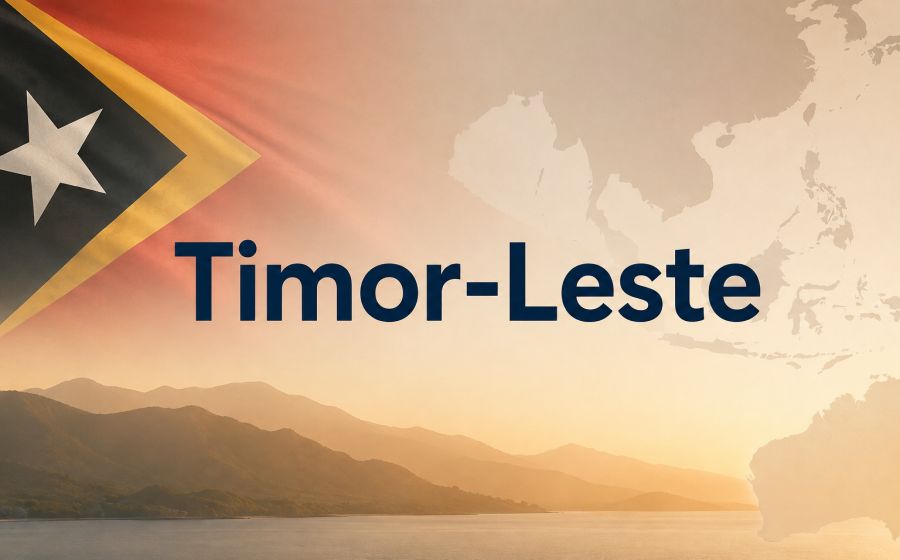
Timor-Leste, also known as East Timor, is a small Southeast Asian country located on the eastern part of the island of Timor. It is surrounded by the Timor Sea to the south and shares a land border with Indonesia. The country also includes the islands of Ataúro and Jaco and the Oecusse-Ambeno enclave on the western side of Timor. Its capital and largest city is Dili.
Timor Leste has a remarkable history shaped by Portuguese colonial rule, Japanese occupation during the Second World War, Indonesian occupation and a long struggle for self-determination. After a United Nations-supported referendum in 1999, the country moved toward full independence and officially restored its independence on May 20, 2002.
Table of Contents
History of Timor-Leste
The history of Timor-Leste goes back many centuries. Before European involvement, the island was divided among local kingdoms and communities. Traditional societies followed indigenous beliefs, and local cultures developed through trade and interaction with neighboring islands.
Portuguese traders and missionaries reached Timor in the early 16th century. Portuguese influence gradually expanded, and Timor-Leste became part of the Portuguese colonial world. During the 17th and 19th centuries, competition between Portugal and the Netherlands shaped the political division of the island. A treaty between Portugal and the Netherlands in 1859 helped establish the boundary between Portuguese Timor and Dutch Timor, with the western part eventually becoming part of Indonesia.
During the Second World War, Timor became a battlefield after Japanese forces occupied the island from 1942 to 1945. Timorese communities suffered greatly during the conflict. After Japan’s defeat, Portuguese colonial administration returned.
A major turning point came in 1974 when political change in Portugal opened the way for decolonization. Different Timorese political movements emerged, including FRETILIN, which supported independence. On November 28, 1975, Timor Leste declared independence. However, only days later, Indonesian forces invaded the territory. Indonesia subsequently incorporated East Timor as a province.
The Timorese resistance continued for many years. The struggle involved armed resistance, underground political activities and international diplomatic efforts. In 1996, José Ramos-Horta and Bishop Carlos Filipe Ximenes Belo received the Nobel Peace Prize for their efforts in support of a peaceful and just solution to the conflict.
In 1999, a United Nations-supported popular consultation gave the Timorese people the opportunity to choose between autonomy within Indonesia and separation. About 78.5% of voters supported independence. Following severe violence, the United Nations established a transitional administration to help prepare the territory for independence.
Timor Leste officially restored its independence on May 20, 2002, becoming the Democratic Republic of Timor-Leste.
Geography of Timor-Leste
Timor-Leste occupies approximately 15,000 square kilometres. Its territory mainly covers the eastern half of Timor Island, along with Ataúro Island, Jaco Island and the Oecusse-Ambeno enclave. Dili, located on the northern coast, is the national capital.
The country has a mountainous landscape, with several highlands running across the territory. Mount Ramelau, also called Tatamailau, is the country’s highest point, reaching about 2,972 metres.
Timor-Leste has a tropical climate with distinct wet and dry periods. Coastal areas can be hot, while mountainous regions generally have cooler conditions. Vegetation includes eucalyptus, sandalwood, teak and coconut trees.
Culture and Traditions
Timor Leste has a diverse cultural heritage influenced by indigenous traditions, Portuguese history and connections with neighboring Southeast Asian societies. Traditional customs remain important in community life.
One of the best-known traditional textiles is tais, a handwoven cloth produced by Timorese communities. Tais can feature distinctive patterns and colors associated with particular communities and occasions. It is used for clothing, ceremonies, gifts and cultural celebrations.
Traditional architecture and oral traditions are also important parts of Timorese heritage. Music, dance, storytelling, handicrafts and local ceremonies help preserve cultural identity. The government recognizes the importance of protecting both tangible and intangible cultural heritage, including languages, traditional architecture, crafts, oral history and artistic expressions.
Catholicism has a particularly strong presence in Timor Leste. The country has one of the highest proportions of Catholics in Asia, although other religious communities are also present.
Languages of Timor-Leste
Timor-Leste is linguistically diverse. Portuguese and Tetum (Tétum) are the country’s official languages, while English and Indonesian are working languages. Many local languages and dialects are spoken across different communities.
Tetum is especially important in everyday communication and national identity. Portuguese remains significant in government, education and official institutions.
Sports in Timor-Leste
Sports play an important role in community life and provide opportunities for young people. Football is among the most popular sports in the country. The national football team represents Timor-Leste in international competitions.
Other sports practiced in Timor Leste include athletics, martial arts, cycling, volleyball, basketball and various traditional physical activities. Timorese athletes have also represented the country at the Olympic Games, helping increase international recognition of the nation.
Because of its mountainous terrain and coastal environment, Timor-Leste also has potential for outdoor activities such as hiking, diving, swimming and cycling.
Economy and Natural Resources
Timor-Leste’s economy has historically depended significantly on petroleum resources, while agriculture remains important for many communities. Coffee is one of the country’s notable agricultural products and is an important source of income for farmers.
The government has also focused on developing tourism, agriculture, infrastructure, education and other sectors to create a more diversified economy. Timor-Leste’s natural scenery, beaches, mountains, coral reefs and cultural heritage provide opportunities for sustainable tourism. The country uses the United States dollar as its official currency.
National Identity and Independence
Independence is central to Timor-Leste’s modern national identity. The long resistance movement created strong national symbols and a deep sense of unity among many Timorese people.
Xanana Gusmão is one of the most prominent figures in the country’s independence history. He led the Timorese resistance, became the first democratically elected President of Timor-Leste and later served as Prime Minister.
The country’s political system is a semi-presidential republic. The President is directly elected, while executive government is led by the Prime Minister. The National Parliament is unicameral.
Key Facts About Timor-Leste
- Official Name: Democratic Republic of Timor-Leste
- Capital: Dili
- Region: Southeast Asia
- Official Languages: Portuguese and Tetum
- Working Languages: English and Indonesian
- Currency: United States Dollar (USD)
- Independence Declared: November 28, 1975
- Independence Restored: May 20, 2002
- Highest Point: Mount Ramelau, about 2,972 metres
- Main Island: Timor
- Major Additional Territories: Ataúro, Jaco and Oecusse-Ambeno
- International Telephone Code: +670
- Internet Country Code: .tl
- Government Type: Semi-presidential republic
- Major Sport: Football
- Important Agricultural Product: Coffee
- Major Religion: Roman Catholicism
- Location: Southeast Asia, north of Australia
Summary
Timor-Leste is a young nation with an exceptionally powerful modern history. From centuries of Portuguese influence and the hardships of the Second World War to Indonesian occupation, resistance and the successful struggle for independence, its national story is closely connected with resilience and self-determination. Today, Timor-Leste continues to develop its institutions, economy, education, cultural heritage and international relationships while preserving the traditions that make its identity distinctive.
Also Check: General Knowledge