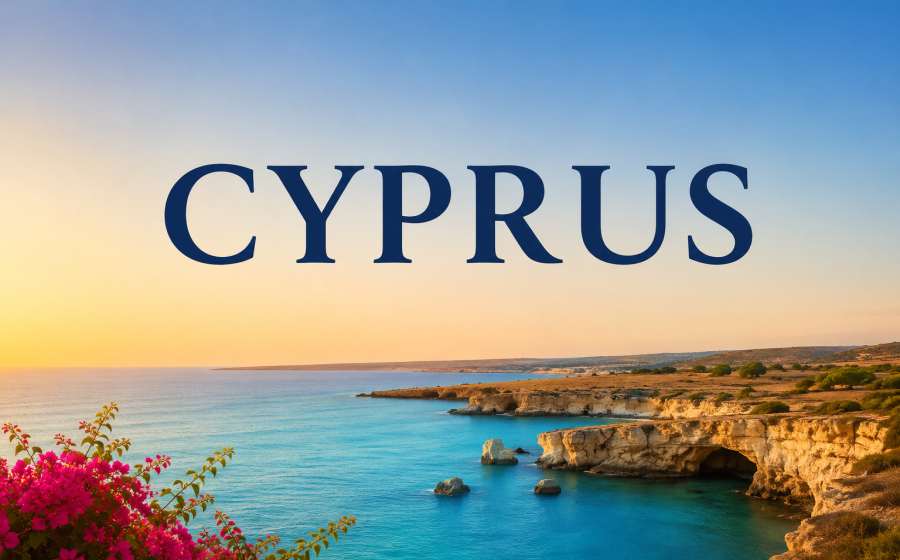
Cyprus – History, Culture, Tourist Places, Sports, Geography and Fascinating Facts
Discover Cyprus through its history, culture, geography, sports, traditions, landmarks, economy and fascinating facts about this Mediterranean island.
Cyprus
Cyprus is a beautiful island country in the eastern Mediterranean Sea, known for its ancient history, sunny coastline, archaeological treasures, distinctive culture and strategic location between Europe, Asia and Africa. The island has been influenced by several major civilizations over thousands of years, including the Greeks, Romans, Byzantines, Ottomans and British. Today, Cyprus combines a rich historical heritage with modern cities, popular beaches and a growing tourism sector.
The country is also famous for its diverse landscapes. Visitors can find sandy beaches, rocky coastlines, forested mountains, fertile plains and historic villages within a relatively small area. Nicosia, the capital, is particularly notable because it remains a divided city, making it one of the most unusual capitals in Europe.
Table of Contents
Geography of Cyprus
Cyprus is the third-largest island in the Mediterranean Sea after Sicily and Sardinia. It lies in the eastern Mediterranean, close to Türkiye, Syria and Lebanon. Although geographically close to Asia, the Republic of Cyprus is politically and culturally connected with Europe and has been a member of the European Union since 2004.
The island has several distinct geographical areas. The Troodos Mountains dominate the central and southwestern part of Cyprus, while the Kyrenia mountain range stretches across the north. Between these mountain systems lies the Mesaoria plain, an important agricultural region.
The Mediterranean climate gives Cyprus hot, dry summers and mild winters. The island receives abundant sunshine throughout much of the year, contributing to its popularity as a holiday destination.
History of Cyprus
Cyprus has one of the longest and most fascinating histories in the Mediterranean. Archaeological evidence indicates that humans lived on the island thousands of years ago. During antiquity, Cyprus became an important center of trade and cultural exchange.
The ancient Greeks had a major influence on Cypriot civilization, particularly through language, religion and artistic traditions. Cyprus later came under the control of the Roman Empire. During the Roman period, cities such as Paphos became important centers, and impressive mosaics and archaeological remains from this era can still be seen today.
After the division of the Roman Empire, Cyprus became part of the Byzantine world. The island experienced periods of political change before coming under the influence of the Lusignan dynasty during the medieval period.
The Ottoman Empire took control of Cyprus in the 16th century. Ottoman rule lasted for several centuries before the island came under British administration in 1878. Cyprus later became a British colony.
Cyprus gained independence in 1960, becoming the Republic of Cyprus. However, political tensions between the Greek Cypriot and Turkish Cypriot communities continued. In 1974, following a coup and Turkish military intervention, the island became divided. The Republic of Cyprus controls the southern part, while the northern part is administered by the self-declared Turkish Republic of Northern Cyprus, which is recognized only by Türkiye.
The United Nations maintains a buffer zone between the two sides. Efforts to achieve a comprehensive settlement have continued for decades.
Culture and Traditions
Cypriot culture reflects centuries of interaction between different civilizations. Greek traditions have a strong influence in the Republic of Cyprus, while the island’s broader cultural heritage includes elements from Byzantine, Ottoman and British periods.
Food is an important part of Cypriot culture. Traditional dishes include halloumi, a semi-hard cheese strongly associated with Cyprus, along with souvlaki, kleftiko, moussaka and meze. Cypriot cuisine commonly uses vegetables, grains, herbs, olive oil, cheese and grilled meats.
Music and dance are also important cultural expressions. Traditional Cypriot dances are often performed during festivals, weddings and community celebrations. Religious festivals, village celebrations and national events provide opportunities for people to maintain traditional customs.
Cyprus is also known for its pottery, lace-making and other traditional handicrafts. Lefkara lace, associated with the village of Lefkara, is particularly famous for its intricate patterns.
Major Cities and Places
Nicosia: The capital and largest city of Cyprus, Nicosia is famous for its historic center, Venetian walls and divided urban landscape.
Limassol: A major coastal city known for its seafront, port, festivals, nightlife and commercial activity.
Larnaca: One of Cyprus’s important coastal cities, Larnaca is known for its beaches, historic churches and international airport.
Paphos: A major archaeological destination with ancient monuments, mosaics and sites associated with Greek mythology.
Ayia Napa: Famous for its beaches and tourism, Ayia Napa is one of the island’s best-known holiday destinations.
The Troodos Mountains are another major attraction, offering forests, traditional villages, churches and hiking opportunities.
Sports in Cyprus
Football is the most popular sport in Cyprus. The country has several well-known football clubs, and the domestic league attracts strong public interest. Clubs such as APOEL, Omonia, Anorthosis and Apollon have played important roles in Cypriot football.
Cyprus also participates in international football competitions through its national team. While the country has not yet reached the FIFA World Cup finals, football remains a major part of the sporting culture.
Basketball is another popular team sport. Cyprus also has participation in tennis, sailing, cycling, athletics, swimming and motorsports.
Cypriot athletes have competed internationally in the Olympic Games and other major sporting competitions. The island’s location and coastline also make water-based activities such as sailing and diving popular.
Economy of Cyprus
Cyprus has a service-oriented economy. Tourism is one of its most important economic activities, supported by beaches, archaeological sites, favorable weather and hospitality.
Other important sectors include shipping, financial services, real estate, trade, information technology and professional services. Agriculture also contributes to the economy, with products such as citrus fruits, potatoes, olives, grapes and other crops being cultivated.
The country uses the euro (€) as its official currency. Cyprus adopted the euro in 2008 after meeting the requirements for membership in the euro area.
Famous Landmarks
Cyprus contains numerous historical and natural attractions. The Archaeological Park of Paphos, a UNESCO World Heritage Site, is particularly famous for its ancient Roman mosaics. The Tombs of the Kings, located near Paphos, are another important archaeological site.
The Kykkos Monastery in the Troodos Mountains is one of the island’s best-known religious sites. Historic Byzantine churches in the Troodos region are also internationally recognized for their remarkable frescoes.
The ancient city of Kourion, located near Limassol, provides evidence of Cyprus’s importance during ancient times. Its theater and archaeological remains attract visitors interested in classical history.
Key Facts About Cyprus
- Cyprus is one of the largest islands in the Mediterranean Sea.
- The capital city is Nicosia.
- Cyprus became an independent republic in 1960.
- The country joined the European Union in 2004.
- Cyprus adopted the euro in 2008.
- Greek and Turkish are the island’s principal official languages, while English is widely used.
- The island is famous for its traditional cheese called halloumi.
- Cyprus has extensive archaeological evidence from ancient civilizations.
- Paphos is closely connected with ancient Greek mythology surrounding Aphrodite.
- The Troodos Mountains are home to historic villages, forests and Byzantine churches.
- Cyprus is divided by a United Nations-patrolled buffer zone.
- Football is among the country’s most popular sports.
- The island is an important Mediterranean tourism destination.
- Cyprus has a long tradition of viticulture and wine production.
Summary
Cyprus is a country where ancient history, Mediterranean landscapes and modern life come together. Its archaeological treasures reveal the influence of civilizations that shaped the island over thousands of years, while its food, festivals, crafts and sporting traditions continue to reflect a distinctive cultural identity. From the historic streets of Nicosia and ancient ruins of Paphos to the beaches of Ayia Napa and forests of the Troodos Mountains, Cyprus offers remarkable geographical and cultural diversity. Its strategic location, complex history and enduring traditions make it one of the most interesting islands in the Mediterranean.
Also Check: General Knowledge