Tonga – History, Culture, Sports, Geography and Key Facts About This Island Nation
Explore Tonga, its history, culture, geography, sports, traditions, economy and important facts about this unique Polynesian island nation.
Tonga
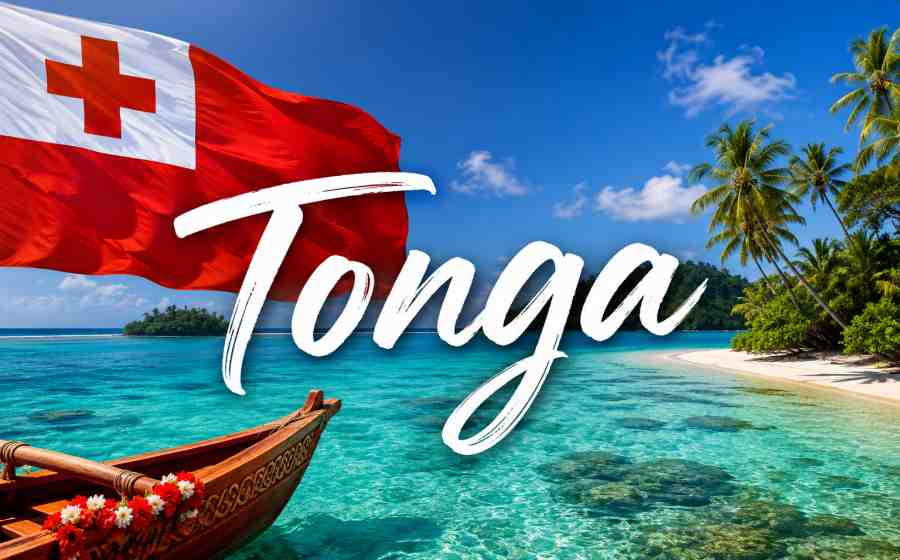
Tonga is a Polynesian island country located in the southwestern Pacific Ocean. Known for its traditional culture, tropical landscapes, royal heritage, and strong community traditions, Tonga consists of more than 170 islands, although only a smaller number are permanently inhabited. The country lies east of Fiji and north of New Zealand. Its capital and largest urban center is Nuku’alofa, situated on the island of Tongatapu.
Tonga is often associated with its distinctive Polynesian identity and is notable for being the only remaining Polynesian monarchy. Its history stretches back many centuries, while its modern development reflects a combination of traditional customs, Christianity, education, agriculture, tourism, and overseas connections.
Table of Contents
Geography of Tonga
Tonga is an archipelago made up of numerous islands and islets scattered across the Pacific. The main island groups include Tongatapu, Ha’apai, Vava’u, and the Niuas.
The country has a tropical climate, with warm temperatures throughout much of the year. Its landscapes include beaches, coral reefs, lagoons, volcanic formations, and fertile areas suitable for agriculture.
Tonga’s location in the Pacific also makes it vulnerable to tropical cyclones, earthquakes, volcanic activity, and rising sea levels. The eruption and tsunami associated with the Hunga Tonga–Hunga Ha’apai volcanic event in January 2022 demonstrated the powerful natural forces that can affect the island nation.
History of Tonga
Tonga has a long history of Polynesian settlement. Archaeological evidence indicates that people associated with the Lapita cultural tradition reached the Tongan islands more than 2,000 years ago. Over time, Tonga developed its own distinctive political and cultural traditions.
The islands became the center of the powerful Tongan Empire, whose influence extended across parts of the western Pacific. The ancient Tongan political system connected islands through trade, alliances, tribute, and navigation.
European explorers reached Tonga during the Age of Exploration. Dutch navigator Willem Schouten and his expedition visited the islands in the early 17th century, followed later by other European explorers, including Abel Tasman and James Cook. Cook visited Tonga several times and gave the islands the European name “Friendly Islands.”
During the 19th century, Taufa’ahau became an important political leader. He united much of Tonga and became King George Tupou I in 1875. Under his leadership, Tonga adopted a constitution and developed a modern system of government.
Tonga became a British protected state in 1900 but retained its monarchy and internal administration. It ended its protected-state relationship with Britain in 1970 and became a fully independent member of the international community.
Tongan Government and Monarchy
Tonga is a constitutional monarchy. The king serves as the country’s head of state, while elected political representatives participate in the country’s legislative system.
The monarchy has remained an important part of Tongan national identity. Traditional leadership and community structures continue to influence social and cultural life alongside modern governmental institutions.
The country’s political center is Nuku’alofa, where important government buildings, businesses, churches, schools, and cultural institutions are located.
Culture and Traditions of Tonga
Tongan culture places great importance on family, respect, community, tradition, and hospitality. The concept of faka‘apa‘apa, meaning respect, is particularly significant in Tongan social relationships.
Traditional clothing remains visible during important cultural and religious occasions. The ta’ovala, a woven mat traditionally worn around the waist, is an important part of formal Tongan dress. It can be worn at ceremonies, church events, funerals, weddings, and other significant gatherings.
Music and dance are also central to Tongan culture. Traditional performances often involve coordinated movements, singing, percussion, and storytelling. The lakalaka, a traditional Tongan dance form, is particularly well known and is recognized as an important expression of Tongan cultural heritage.
Language and Religion
The official languages of Tonga are Tongan and English. Tongan belongs to the Polynesian branch of the Austronesian language family and is widely used in everyday communication.
Christianity has had a major influence on modern Tongan society. Churches play an important role in many communities, and Sunday is generally treated as a particularly significant day for worship and family activities.
Traditional beliefs and customs have also influenced Tongan cultural identity, creating a society where historical traditions and modern religious practices exist alongside one another.
Food of Tonga
Tongan cuisine is based heavily on locally available agricultural and marine products. Root crops such as taro, sweet potatoes, cassava, and yams are common ingredients.
Seafood is also important because of Tonga’s location in the Pacific. Fish and other marine foods are frequently prepared for family meals and community events.
One traditional cooking method is the umu, an underground earth oven used to prepare food. Meat, fish, root vegetables, and other ingredients can be cooked slowly using heated stones. Meals prepared in an umu are often associated with gatherings and special occasions.
Economy of Tonga
Tonga’s economy depends on several sectors, including agriculture, fisheries, tourism, services, and money sent home by Tongans living overseas.
Agriculture remains important for rural communities. Crops such as squash, coconuts, root vegetables, and other agricultural products are grown for domestic consumption and export.
Tourism is another significant area of economic activity. Visitors are attracted by Tonga’s beaches, coral reefs, marine life, traditional culture, and opportunities for activities such as diving, snorkeling, boating, and whale watching.
Remittances from Tongan communities abroad also contribute significantly to household incomes and the national economy.
Sports in Tonga
Sports are an important part of life in Tonga, with rugby union being particularly popular. Tonga’s national rugby team, known as the ‘Ikale Tahi, has represented the country in major international competitions, including the Rugby World Cup.
Rugby league also has a strong following, and many Tongan players have competed at high levels in international rugby competitions.
Tonga has participated in the Olympic Games and has represented the country in sports such as athletics, swimming, boxing, and other disciplines. The nation’s athletes have helped increase Tonga’s visibility on the international sporting stage.
Tourism in Tonga
Tonga offers a combination of natural attractions and cultural experiences. The Vava’u island group is especially known for its beautiful waters, islands, coral reefs, and marine activities.
One of Tonga’s most popular attractions is its seasonal whale-watching experience. Humpback whales visit Tongan waters during part of the year, making the country an important destination for people interested in marine wildlife.
Visitors can also explore historical sites, beaches, local markets, villages, churches, and traditional cultural events.
Education and Modern Life
Education has an important role in Tonga’s development. The country has primary and secondary schools as well as institutions offering higher and vocational education.
Modern communication technology has also become increasingly important. Internet connectivity, mobile communication, and digital services have expanded opportunities for education, business, communication, and access to information.
At the same time, many Tongans continue to maintain close family connections and traditional community practices.
Important Facts About Tonga
- Official Name: Kingdom of Tonga
- Capital: Nuku’alofa
- Region: Polynesia, Pacific Ocean
- Government: Constitutional monarchy
- Official Languages: Tongan and English
- Currency: Tongan paʻanga
- Main Island Groups: Tongatapu, Ha’apai, Vava’u, and the Niuas
- National Rugby Team: ‘Ikale Tahi
- Traditional Dance: Lakalaka
- Traditional Earth Oven: Umu
- Traditional Woven Garment: Ta’ovala
- Major Economic Activities: Agriculture, fisheries, tourism, services, and remittances
- Independence: Tonga ended its British protected-state relationship in 1970
- Major City: Nuku’alofa
- Location: Southwestern Pacific Ocean
Summary
Tonga is a distinctive Pacific island nation where ancient Polynesian traditions, royal heritage, Christianity, modern government, and contemporary life exist together. From the historic Tongan Empire and the establishment of the modern monarchy to its traditional dances, cuisine, rugby culture, and spectacular marine environment, Tonga has a rich national identity.
Its islands, cultural traditions, and strong community values make Tonga an important country to study in world geography and general knowledge. Understanding Tonga provides useful insight into Polynesian history, Pacific island societies, traditional cultures, international sports, and the challenges faced by small island nations.
Also Check: General Knowledge