Dominica – History, Tourism, Culture, Sports, Geography and Fascinating Facts
Explore Dominica, its history, culture, sports, geography, natural beauty, tourism, traditions, economy and important facts about this Caribbean island nation.
Dominica
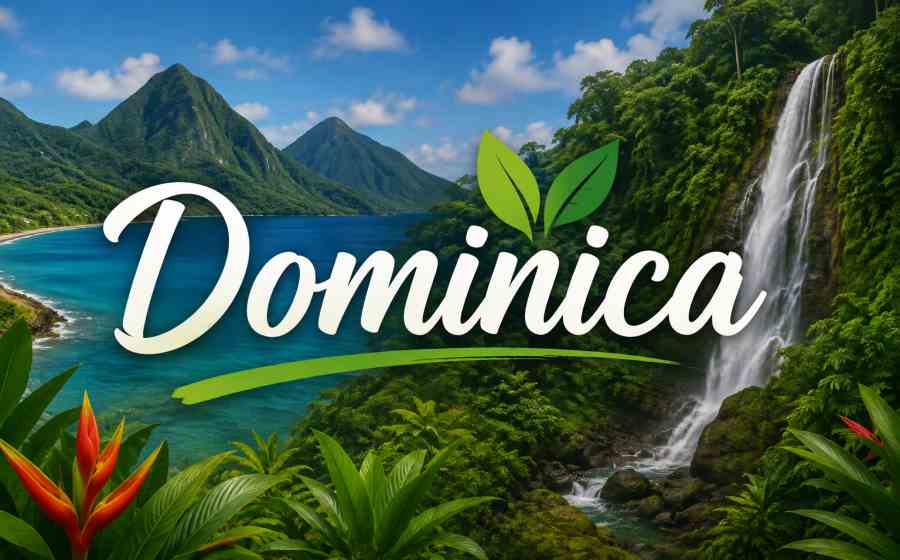
Dominica is a small and remarkably beautiful island country in the Eastern Caribbean. Officially known as the Commonwealth of Dominica, it lies between the French islands of Guadeloupe and Martinique. Often called the “Nature Island of the Caribbean,” Dominica is famous for its rainforests, volcanic landscapes, rivers, waterfalls, hot springs and rich biodiversity. The country covers about 751 square kilometres and has Roseau as its capital. English is the official language, while French-based Kwéyòl is also widely spoken.
Unlike many Caribbean destinations known mainly for beaches, Dominica is particularly famous for its mountains, forests, rivers and eco-tourism. Its natural environment has played an important role in shaping the country’s economy, culture and national identity.
Table of Contents
History of Dominica
The history of Dominica goes back long before European colonisation. The island was inhabited by Indigenous peoples, particularly the Kalinago, who resisted European attempts to control their homeland. According to the Office of the President of Dominica, Christopher Columbus sighted the island on 3 November 1493, during his second voyage. European powers later competed for control of the island, especially France and Britain.
Dominica became one of the last Caribbean islands to be colonised by Europeans because of the resistance of the Kalinago and the island’s rugged terrain. Control shifted between France and Britain before the island was formally ceded to Britain under the Treaty of Paris in 1763.
During the colonial period, agriculture became central to Dominica’s economy. Sugar was an important early crop, later followed by citrus and bananas. Agriculture remained a major economic activity for many years, although tourism and service-based activities have become increasingly important.
Dominica achieved independence from the United Kingdom on 3 November 1978. It became a sovereign parliamentary democracy and continues to celebrate Independence Day every year on 3 November.
Geography and Natural Beauty
Dominica is located in the Eastern Caribbean and is known for its mountainous and volcanic landscape. Its highest mountain is Morne Diablotin, which rises to about 1,730 metres. The island has a humid tropical climate and receives substantial rainfall, supporting dense forests and numerous rivers.
One of Dominica’s most famous attractions is Morne Trois Pitons National Park, a UNESCO World Heritage Site. The park contains spectacular volcanic and geothermal features, including the Boiling Lake and the Valley of Desolation.
The country is also associated with the description “Land of 365 Rivers,” reflecting its exceptionally water-rich landscape. Waterfalls, freshwater lakes, hot springs and rainforest trails make the island particularly attractive to nature lovers and adventure travellers.
Culture of Dominica
Dominica has a diverse cultural heritage influenced by Indigenous Kalinago traditions, African heritage and European influences. The Kalinago people remain an important part of the country’s cultural identity, and their traditions, crafts and history continue to be preserved and promoted.
Music and festivals are major parts of Dominican culture. The island hosts events celebrating its Creole heritage, including the World Creole Music Festival, while cultural organisations also promote traditional arts, music, dance and the Kwéyòl language. The country’s Division of Culture works to preserve cultural heritage and support artistic and cultural activities.
Carnival is another important cultural celebration. It combines music, colourful costumes, dancing and community activities. Traditional Caribbean rhythms exist alongside modern forms of music, creating a lively cultural scene.
Dominican cuisine also reflects the island’s agricultural and Caribbean heritage. Local foods commonly include provisions, vegetables, fruits, fish and other locally produced ingredients. Agriculture has traditionally played an important role in both food culture and the wider economy.
Sports in Dominica
Sports are an important part of community life in Dominica. Cricket is particularly popular, reflecting the island’s strong Caribbean sporting traditions. Football is also widely followed and played, while athletics has gained international attention.
The biggest sporting achievement in Dominica’s history came at the Paris 2024 Olympic Games. Dominican athlete Thea LaFond won the women’s triple jump with a national-record leap of 15.02 metres, giving Dominica its first-ever Olympic medal and its first Olympic gold medal.
LaFond’s achievement was historic not only for Dominica but also for Caribbean athletics. She had already won the women’s triple jump at the 2024 World Indoor Championships in Glasgow with a 15.01-metre national record.
As of 2026, LaFond continues to be one of Dominica’s most successful athletes. World Athletics lists her personal best in the triple jump at 15.25 metres, achieved in June 2026.
Other sports practised in Dominica include athletics, swimming, cycling, basketball and various field and recreational sports. The country’s sporting success demonstrates how athletes from a small island nation can make a significant impact on the international stage.
Economy of Dominica
Dominica’s economy has historically relied heavily on agriculture, particularly banana production and other crops. Today, tourism has become increasingly important, especially eco-tourism. The government promotes Dominica as a destination where visitors can experience forests, mountains, rivers, geothermal attractions and marine environments.
Tourism has shown strong recent growth. According to the Office of the Prime Minister, Dominica recorded 488,091 passenger arrivals in 2025, a 13% increase over 2024 and 49% higher than 2019.
The country also has agricultural and manufacturing activities, with products including bananas, coffee, fruits, coconut-based goods and ceramics.
Important Places to Visit
Dominica offers numerous natural and cultural attractions. Some notable places include:
- Roseau – The capital and an important centre of history, culture and commerce.
- Boiling Lake – One of the island’s most famous geothermal attractions.
- Morne Trois Pitons National Park – A UNESCO World Heritage Site rich in volcanic and natural features.
- Trafalgar Falls – A popular waterfall attraction surrounded by lush vegetation.
- Freshwater Lake – A scenic mountain lake.
- Kalinago Barana Autê – A cultural site dedicated to preserving and presenting Kalinago heritage.
- Champagne Reef – Known for its underwater geothermal activity and marine environment.
Key Facts About Dominica
- Official Name: Commonwealth of Dominica
- Capital: Roseau
- Location: Eastern Caribbean
- Independence: 3 November 1978
- Official Language: English
- Other Widely Spoken Language: French Patois/Kwéyòl
- Currency: Eastern Caribbean Dollar (XCD)
- Area: About 751 sq. km
- Highest Peak: Morne Diablotin
- National Symbol: Sisserou Parrot
- Famous Nickname: Nature Island of the Caribbean
- Government: Parliamentary democracy
- Major Economic Activities: Tourism, agriculture and manufacturing
- Major Sporting Achievement: Thea LaFond’s Olympic triple-jump gold at Paris 2024
- UNESCO World Heritage Site: Morne Trois Pitons National Park
Summary
Dominica is a fascinating Caribbean nation where natural beauty, Indigenous heritage, colonial history and modern achievements come together. From the Kalinago cultural tradition and historic capital of Roseau to its volcanic mountains, rainforests and geothermal wonders, the country has a distinctive identity. Its growing eco-tourism sector highlights the importance of protecting its natural resources, while Thea LaFond’s historic Olympic victory has added a remarkable chapter to its sporting story.
Also Check: General Knowledge