Bhutan – History, Culture, Sports and Facts About the Himalayan Kingdom
Explore Bhutan’s history, culture, sports, geography, traditions, economy and key facts. Learn why Bhutan is known as the Land of Happiness.
Bhutan
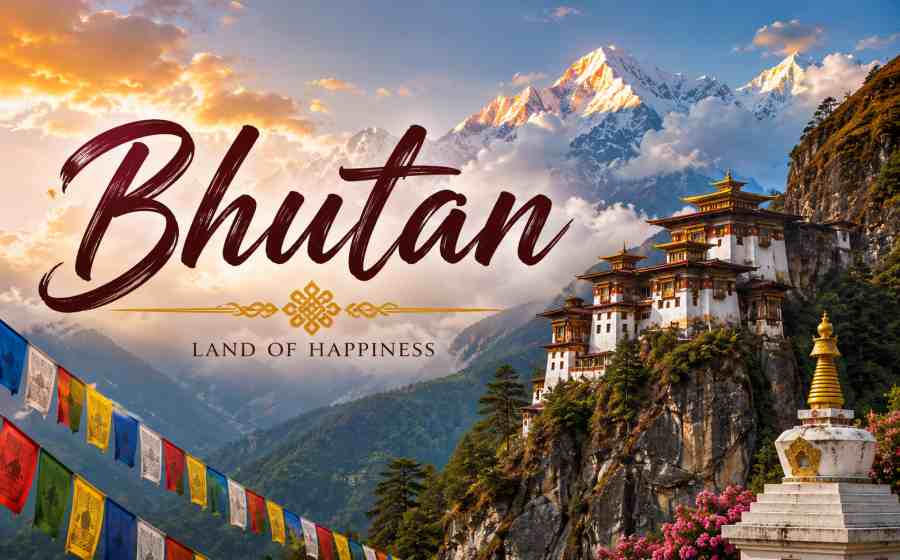
Bhutan is a small yet remarkable country nestled in the eastern Himalayas of South Asia. Known for its breathtaking mountain landscapes, rich cultural heritage, and unique philosophy of happiness, Bhutan has gained worldwide recognition as a nation that prioritizes the well-being of its people over economic growth alone. Often called the “Land of the Thunder Dragon,” Bhutan offers a fascinating blend of ancient traditions and modern development.
Table of Contents
Location and Geography
Bhutan is a landlocked country situated between India and China. The country covers an area of approximately 38,394 square kilometers and is characterized by rugged mountains, deep valleys, dense forests, and fast-flowing rivers. The Himalayan mountain range dominates much of Bhutan’s landscape, making it one of the most scenic countries in the world.
The capital city of Bhutan is Thimphu, which serves as the political, cultural, and economic center of the nation. Despite modernization, Bhutan has carefully preserved its natural environment, with over 70% of the country covered by forests.
History of Bhutan
Bhutan’s history dates back centuries, with evidence of human settlement in the region from ancient times. Buddhism was introduced to Bhutan during the 7th century, but it became firmly established in the 8th century through the teachings of the Buddhist master Guru Padmasambhava, also known as Guru Rinpoche.
In the 17th century, Zhabdrung Ngawang Namgyal unified Bhutan and established a distinct Bhutanese identity. He built a system of governance and constructed many of the country’s famous fortresses, known as dzongs.
The Wangchuck dynasty was established in 1907 when Ugyen Wangchuck became Bhutan’s first hereditary king. Bhutan gradually opened to the outside world during the 20th century while maintaining its cultural traditions. In 2008, Bhutan transitioned into a constitutional monarchy and held its first democratic elections.
Culture and Traditions
Bhutanese culture is deeply influenced by Vajrayana Buddhism. Religion plays an important role in everyday life, shaping customs, festivals, architecture, and social values. Traditional Bhutanese clothing remains widely worn. Men wear the Gho, a knee-length robe tied at the waist, while women wear the Kira, a long elegant dress. These traditional garments are commonly seen in schools, government offices, and public events.
Bhutan is also known for its colorful festivals called Tshechus, which are celebrated across the country. During these festivals, people gather to watch masked dances, receive blessings, and celebrate their spiritual heritage. Respect for elders, strong family ties, and community cooperation remain central aspects of Bhutanese society.
Language and Religion
The official language of Bhutan is Dzongkha. However, several regional languages and dialects are spoken throughout the country.
Buddhism is the dominant religion, practiced by the majority of the population. Hinduism is also followed by a significant minority, particularly in southern Bhutan. Religious harmony and tolerance are important values in Bhutanese society.
Economy of Bhutan
Bhutan’s economy is based primarily on agriculture, forestry, hydropower, and tourism. Agriculture employs a large portion of the population, with crops such as rice, maize, potatoes, and vegetables being widely cultivated.
Hydropower is one of Bhutan’s most important economic resources. The country exports electricity, especially to neighboring India, generating significant revenue.
Tourism is carefully regulated under Bhutan’s “high-value, low-impact” policy. This approach helps protect Bhutan’s environment and cultural heritage while contributing to economic development.
Sports in Bhutan
Sports are an important part of Bhutanese life. The national sport of Bhutan is archery, and it enjoys immense popularity throughout the country. Archery competitions are often festive occasions featuring traditional music, dancing, and celebrations.
Apart from archery, football has become increasingly popular among younger generations. Basketball, volleyball, cricket, and traditional Bhutanese games are also played in various regions.
Bhutan participates in international sporting events, including the Olympic Games, although the country is still developing its competitive sports infrastructure.
Education and Healthcare
Bhutan has made significant progress in education over recent decades. The government provides free basic education, leading to improved literacy rates and greater opportunities for young people.
Healthcare services are also provided free of charge by the government. Bhutan has invested in improving medical facilities, public health programs, and access to healthcare in remote areas. These efforts have contributed to improvements in life expectancy and overall quality of life.
Gross National Happiness
One of Bhutan’s most unique contributions to the world is the concept of Gross National Happiness (GNH). Instead of focusing solely on economic indicators such as Gross Domestic Product (GDP), Bhutan measures national progress through factors such as environmental conservation, cultural preservation, sustainable development, and good governance.
The GNH philosophy has attracted global attention and inspired discussions about alternative ways to measure societal success and well-being.
Environment and Conservation
Bhutan is widely regarded as one of the most environmentally conscious nations in the world. The country is carbon-negative, meaning it absorbs more carbon dioxide than it produces.
Strict environmental laws protect forests, wildlife, and natural resources. Bhutan is home to diverse species, including snow leopards, Bengal tigers, red pandas, and Himalayan black bears.
Conservation efforts ensure that future generations can continue to benefit from the country’s rich biodiversity and pristine landscapes.
Interesting Facts About Bhutan
- Bhutan is known as the “Land of the Thunder Dragon.”
- Thimphu is the only capital city in the world without traffic lights.
- Archery is the national sport of Bhutan.
- Bhutan measures progress using Gross National Happiness.
- More than 70% of the country remains forested.
- The country is carbon-negative.
- Bhutan transitioned to a constitutional monarchy in 2008.
- Traditional dress is commonly worn in daily life.
- Tourism is regulated to preserve culture and nature.
- The nation has some of the most spectacular Himalayan scenery in the world.
Summary
Bhutan is a unique nation where ancient traditions, environmental conservation, and modern development coexist harmoniously. From its fascinating history and vibrant culture to its commitment to happiness and sustainability, Bhutan stands out as one of the world’s most distinctive countries. Its emphasis on preserving cultural heritage, protecting nature, and improving the well-being of its citizens makes Bhutan an inspiring example for countries around the globe.
Also Check: General Knowledge