Cape Verde – History, Culture, Sports and Key Facts About the Atlantic Island Nation
Explore Cape Verde, its history, culture, geography, sports, traditions, tourism and fascinating key facts about this beautiful Atlantic island nation.
Cape Verde
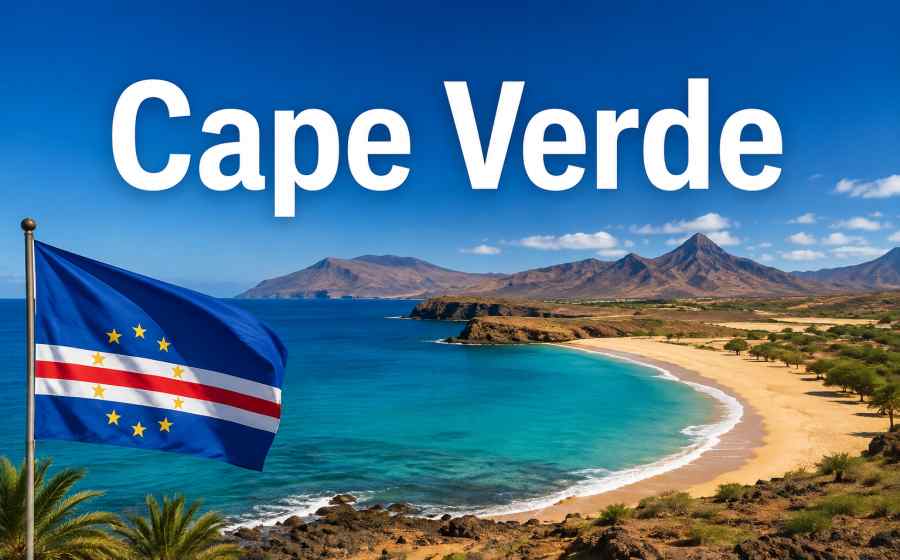
Cape Verde, officially known as the Republic of Cabo Verde, is a fascinating island country located in the central Atlantic Ocean, off the western coast of Africa. Known for its volcanic landscapes, beautiful beaches, distinctive music, and rich Portuguese-African heritage, Cape Verde has developed a unique identity shaped by centuries of migration and cultural exchange.
The country consists of ten major islands, although one of them, Santa Luzia, is uninhabited. The islands are generally divided into the Barlavento (Windward) and Sotavento (Leeward) groups. Praia, located on Santiago Island, is the capital and the country’s political and administrative center. Cape Verde is relatively small in size, but its history and culture make it an important country to know in world geography and general knowledge.
Table of Contents
Geography of Cape Verde
Cape Verde is an archipelago situated in the Atlantic Ocean approximately 570 kilometers west of Senegal. The islands are volcanic in origin, resulting in rugged mountains, dramatic cliffs, valleys, and distinctive landscapes.
The ten major islands are:
- Santiago
- Santo Antão
- São Vicente
- São Nicolau
- Sal
- Boa Vista
- Maio
- Fogo
- Brava
- Santa Luzia
Each island has its own geographical character. Fogo is particularly famous for its active volcanic landscape and Pico do Fogo, the highest point in Cape Verde. Sal and Boa Vista are well known for their sandy beaches and tourism.
The climate is generally dry and tropical, although rainfall varies significantly from island to island. Some mountainous areas receive more rainfall than the flatter and drier islands.
History of Cape Verde
Cape Verde was uninhabited when Portuguese explorers reached the islands in the 15th century. Portuguese settlement began during the 1460s, and the islands soon became strategically important because of their position along Atlantic trade routes.
Santiago Island became particularly significant. Ribeira Grande, now known as Cidade Velha, developed into an important trading center. It later became closely connected with the transatlantic slave trade, as enslaved Africans were transported through the islands.
The colonial period had a profound influence on Cape Verdean society. African and Portuguese traditions gradually blended, creating a distinctive Creole culture.
Over the centuries, the islands experienced periods of drought and famine. Limited natural resources and difficult climatic conditions encouraged many Cape Verdeans to migrate overseas in search of employment and better opportunities.
Cape Verde’s independence movement grew during the 20th century. The African Party for the Independence of Guinea and Cape Verde (PAIGC) played an important role in the struggle against Portuguese colonial rule.
Cape Verde achieved independence from Portugal on 5 July 1975. After independence, the country initially developed under a one-party political system. A transition toward multiparty democracy took place in the early 1990s, and democratic institutions subsequently became an important part of the country’s political life.
Capital and Major Cities
Praia is the capital and largest city of Cape Verde. It is located on Santiago Island and serves as the country’s main political, economic, and cultural center.
Other notable urban areas include Mindelo on São Vicente Island, which is famous for music and cultural activities, and Santa Maria on Sal Island, an important tourist destination.
Cidade Velha, also on Santiago, is historically significant. Its old town was designated a UNESCO World Heritage Site because of its importance in Atlantic history and its surviving colonial heritage.
Culture and Traditions
Cape Verdean culture is a remarkable combination of African and Portuguese influences. This mixture can be seen in language, music, food, festivals, clothing, architecture, and everyday traditions.
Portuguese is the official language, while Cape Verdean Creole (Kriolu) is widely spoken in daily life. Different islands have their own linguistic variations.
Music occupies a special place in Cape Verdean culture. The country is internationally associated with musical styles such as morna, coladeira, funaná, and batuque.
Morna is particularly famous for its emotional character and themes of love, longing, separation, and life at sea. Internationally renowned Cape Verdean singer Cesária Évora helped introduce Cape Verdean music to audiences around the world. She became one of the country’s most celebrated cultural figures.
Traditional festivals are also important. Carnival celebrations, especially in Mindelo, attract considerable attention and showcase colorful costumes, music, dancing, and community participation.
Food of Cape Verde
Cape Verdean cuisine reflects both African and Portuguese influences. Seafood is naturally important because of the country’s island location.
One of the country’s best-known traditional dishes is Cachupa, a slow-cooked stew prepared using ingredients such as corn, beans, vegetables, and sometimes fish or meat. It is widely regarded as a symbol of Cape Verdean cuisine.
Other foods commonly associated with Cape Verde include grilled fish, seafood dishes, rice, beans, and locally grown vegetables. Different islands have their own culinary traditions depending on available ingredients.
Economy of Cape Verde
Cape Verde has limited agricultural resources because of its dry climate and mountainous terrain. As a result, the economy has developed around services and other activities.
Tourism is one of the country’s most important economic sectors. The islands of Sal and Boa Vista are especially popular for beaches, resorts, water sports, and sunshine.
Other important areas include transportation, fishing, commerce, construction, and services. Remittances sent by Cape Verdeans living abroad have also played an important role in the country’s economy.
The large Cape Verdean diaspora is an important part of the nation’s social and economic connections with other countries.
Sports in Cape Verde
Football is the most popular sport in Cape Verde. The Cape Verde national football team, commonly known as the Blue Sharks, has represented the country in major international competitions and has achieved notable success in African football.
Cape Verde qualified for the Africa Cup of Nations on multiple occasions and reached the quarter-finals of the tournament in 2023, marking an important achievement in the country’s football history.
Basketball is also played in Cape Verde, while athletics and water-based sports benefit from the country’s geography and Atlantic location.
Sport plays an important role in national identity and provides opportunities for Cape Verdean athletes to compete internationally.
Tourism in Cape Verde
Cape Verde has become increasingly attractive to international travelers. Its combination of beaches, volcanic scenery, cultural heritage, music, and pleasant climate gives each island a distinct tourism experience.
Sal is famous for beaches, resorts, and water sports. Boa Vista is known for expansive sandy beaches and desert-like landscapes. Santo Antão attracts visitors interested in mountains, hiking trails, and green valleys.
Fogo offers a very different experience because of its volcanic terrain and the imposing Pico do Fogo. Meanwhile, São Vicente, particularly Mindelo, is recognized for its cultural atmosphere and musical heritage.
The historic city of Cidade Velha provides an important connection to the country’s colonial and Atlantic history.
Interesting Facts About Cape Verde
Here are some useful Cape Verde facts for general knowledge:
- Cape Verde is an island country in the Atlantic Ocean off the west coast of Africa.
- Its official name is the Republic of Cabo Verde.
- Praia is the capital city.
- The country gained independence from Portugal on 5 July 1975.
- Cape Verde consists of ten major islands.
- The islands are volcanic in origin.
- Pico do Fogo is the country’s highest point.
- Portuguese is the official language.
- Cape Verdean Creole is widely spoken.
- Football is the country’s most popular sport.
- Morna is one of Cape Verde’s best-known musical traditions.
- Cesária Évora was one of the country’s most internationally famous singers.
- Cidade Velha is a UNESCO World Heritage Site.
- Tourism is a major part of the country’s economy.
- Cachupa is one of Cape Verde’s most famous traditional dishes.
Summary
Cape Verde is a small but culturally rich country with a remarkable history. Its volcanic islands, Atlantic location, Portuguese-African heritage, traditional music, distinctive cuisine, and growing tourism industry make it an interesting subject for general knowledge.
From the historic streets of Cidade Velha to the beaches of Sal and Boa Vista, the mountains of Santo Antão, and the volcanic landscapes of Fogo, Cape Verde offers remarkable geographical and cultural diversity. Its journey from Portuguese colony to an independent democratic island nation also makes its modern history particularly significant.
Also Check: General Knowledge