Climate Change and Human Health – Causes, Effects and Practical Solutions
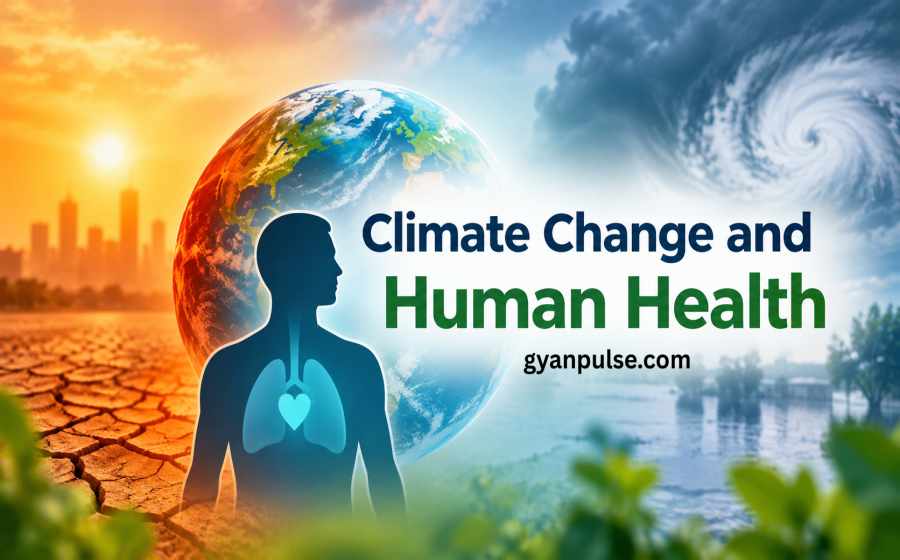
Climate Change and Human Health explores how global warming affects air, water, diseases, food security, mental health and human well-being.
Climate Change and Human Health
Climate change is no longer a distant environmental concern, it is a growing public health crisis affecting millions of people worldwide. Rising global temperatures, changing weather patterns, and increasing environmental degradation are directly and indirectly influencing human health in ways that are becoming impossible to ignore. From heat-related illnesses to the spread of infectious diseases, climate change is reshaping the health landscape of our planet.
Table of Contents
Rising Temperatures and Heat-Related Illnesses
One of the most immediate impacts of climate change is the increase in global temperatures. Heatwaves are becoming more frequent, intense, and prolonged, posing serious health risks. Extreme heat can lead to dehydration, heat exhaustion, and even life-threatening heatstroke. Vulnerable populations such as the elderly, children, and individuals with pre-existing medical conditions are particularly at risk.
Urban areas, often referred to as “heat islands,” experience even higher temperatures due to concrete structures and limited greenery. This amplifies the health risks for city dwellers, especially in developing countries where access to cooling systems may be limited.
Air Pollution and Respiratory Problems
Climate change significantly contributes to worsening air quality. Increased temperatures can intensify the formation of ground-level ozone, a harmful pollutant that affects lung function. Additionally, wildfires, becoming more frequent due to prolonged droughts, release large amounts of smoke and particulate matter into the air.
Exposure to polluted air can trigger respiratory conditions such as asthma, bronchitis, and chronic obstructive pulmonary disease (COPD). Long-term exposure may also increase the risk of cardiovascular diseases and lung cancer. For individuals already suffering from respiratory issues, climate change acts as a dangerous multiplier.
Spread of Infectious Diseases
Climate change is altering ecosystems and creating favorable conditions for disease-carrying organisms like mosquitoes, ticks, and rodents. Diseases such as malaria, dengue fever, and chikungunya are expanding into regions where they were previously uncommon.
Warmer temperatures and increased rainfall provide ideal breeding conditions for mosquitoes, while shifting habitats allow these vectors to survive in new areas. This not only increases the risk of outbreaks but also challenges healthcare systems that may not be prepared to handle such diseases.
Food Security and Nutrition
Climate change has a direct impact on agriculture, affecting crop yields and food production. Droughts, floods, and unpredictable weather patterns disrupt farming activities, leading to food shortages and increased prices. This can result in malnutrition, particularly in low-income communities.
Reduced access to nutritious food weakens the immune system, making individuals more susceptible to diseases. Children are especially vulnerable, as malnutrition can hinder their physical and cognitive development.
Water Scarcity and Waterborne Diseases
Access to clean water is another critical issue linked to climate change. Changes in rainfall patterns and melting glaciers are affecting freshwater availability. In some regions, prolonged droughts lead to water scarcity, while in others, heavy rainfall causes flooding and contamination of water sources.
Contaminated water increases the risk of waterborne diseases such as cholera, diarrhea, and typhoid. Poor sanitation and lack of clean drinking water further exacerbate these health risks, particularly in rural and underdeveloped areas.
Mental Health Impacts
The effects of climate change are not limited to physical health; they also have significant psychological consequences. Natural disasters such as floods, hurricanes, and wildfires can cause trauma, anxiety, and depression. Losing homes, livelihoods, and loved ones creates long-lasting emotional stress.
Even the anticipation of climate-related disasters and uncertainty about the future can lead to a condition known as “eco-anxiety.” This growing mental health concern highlights the need for comprehensive strategies that address both physical and emotional well-being.
Vulnerable Populations at Greater Risk
Climate change does not affect everyone equally. Marginalized communities, including low-income populations, indigenous groups, and people living in coastal or disaster-prone areas, face greater risks. Limited access to healthcare, inadequate infrastructure, and lack of resources make it harder for these groups to adapt and recover.
Children, pregnant women, and the elderly are also more susceptible to climate-related health issues. Addressing these inequalities is essential to ensure that no one is left behind in the fight against climate change.
The Way Forward
Mitigating the health impacts of climate change requires a combination of global and local efforts. Reducing greenhouse gas emissions is crucial to slow down global warming. Transitioning to renewable energy sources, promoting sustainable agriculture, and protecting natural ecosystems are key steps in this direction.
At the same time, strengthening healthcare systems and improving public awareness can help communities adapt to changing conditions. Early warning systems, better urban planning, and access to clean water and sanitation are vital in reducing health risks.
Governments, organizations, and individuals all have a role to play. Simple actions such as conserving energy, reducing waste, and supporting eco-friendly initiatives can collectively make a significant difference.
Building a Healthier and Climate-Resilient Future
Addressing the connection between climate change and human health requires long-term commitment from individuals, communities, governments, and organizations. Protecting the environment can help reduce health risks while improving quality of life. Cleaner air, safer water, sustainable food systems, stronger healthcare services, and better disaster preparedness can make communities more resilient. By combining environmental protection with public health measures, society can reduce climate-related risks and create a safer and healthier future for everyone.
Summary
Climate change is not just an environmental issue, it is a pressing threat to human health. Its impacts are widespread, affecting air quality, water resources, food security, and mental well-being. As the effects continue to intensify, the need for immediate and sustained action becomes more urgent.
Protecting human health in the face of climate change requires awareness, preparedness, and collective responsibility. By understanding the risks and taking proactive steps, we can build a healthier and more resilient future for generations to come.
Also Check: Environment