Kiribati – History, Culture, Tourist Places, Sports, Geography and Fascinating Facts
Discover Kiribati, a unique Pacific island nation known for its history, culture, sports, beautiful atolls, traditions and fascinating facts.
Kiribati
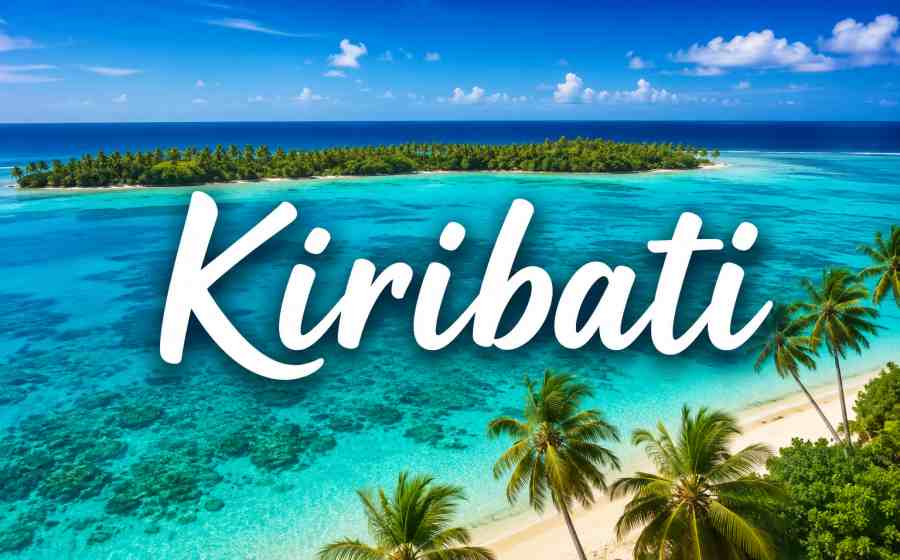
Kiribati is a fascinating island country located in the central Pacific Ocean. Pronounced “Kiribas,” the country consists of numerous low-lying islands and atolls spread across a vast area of the Pacific. Its geography, traditional way of life and strong connection with the ocean make Kiribati one of the most distinctive countries in the world.
The country is made up of three main island groups: the Gilbert Islands, Phoenix Islands and Line Islands. Its capital, South Tarawa, is located in the Gilbert Islands. Kiritimati, also known as Christmas Island, is one of the country’s best-known islands and is famous for its enormous coral atoll, marine life and fishing opportunities.
Table of Contents
History of Kiribati
The islands of present-day Kiribati were settled many centuries ago by Austronesian peoples who developed communities adapted to life on small coral islands. Traditional navigation, fishing, agriculture and communal activities became important parts of island society.
European explorers began visiting the region from the 16th century onward. During the 19th century, the islands became increasingly connected with European commercial and political interests. Britain eventually established colonial control over the Gilbert and Ellice Islands.
The Gilbert and Ellice Islands were administered as a British colony for much of the 20th century. The two groups later developed separate political identities. The Gilbert Islands became independent as Kiribati on July 12, 1979, while the Ellice Islands became the independent nation of Tuvalu.
Kiribati’s history was also strongly affected by World War II. Japanese forces occupied parts of the Gilbert Islands, including Tarawa and other strategically important locations. Major battles took place in 1942 and 1943 as Allied forces fought to regain control of the islands. Today, remnants of military installations, bunkers and other wartime sites remain in several locations.
Geography of Kiribati
Kiribati is unusual because its islands are scattered over a huge portion of the Pacific Ocean. The country has a very large maritime area compared with its land area. Most of its islands are coral atolls and are only slightly above sea level.
The three major island groups are:
- Gilbert Islands
- Phoenix Islands
- Line Islands
The Phoenix Islands Protected Area (PIPA) is one of the country’s most important environmental treasures. It protects a vast marine ecosystem containing coral reefs, fish and seabirds. Kiribati’s tourism authority describes PIPA as the world’s largest marine protected area.
Kiritimati, or Christmas Island, is another geographical highlight. It is recognized as the world’s largest coral atoll and has become particularly well known for fishing and marine tourism.
Culture and Traditions
Kiribati has a rich culture deeply connected with family, community and the sea. The people of Kiribati are commonly known as I-Kiribati. Traditional customs continue to influence everyday life, celebrations and community activities.
One important traditional institution is the maneaba, a communal meeting house that serves as a place for gatherings, discussions, ceremonies and cultural activities. Community cooperation has historically been essential because island resources are limited and people depend heavily on one another.
Traditional music and dancing are also important elements of I-Kiribati culture. Performances often feature rhythmic movements, singing and distinctive costumes. Cultural celebrations provide opportunities for younger generations to learn and preserve traditional practices.
Traditional skills such as fishing, weaving and other forms of handicraft remain important cultural expressions. Tourism experiences in Kiribati also give visitors opportunities to interact with local families and learn about traditional island life.
The word “Mauri” is a well-known greeting in Kiribati. It expresses a wish for good health and is an important example of the country’s distinctive language and cultural identity.
Sports in Kiribati
Sports are an important part of community life in Kiribati. Because the country is surrounded by the Pacific Ocean, water-related activities have a natural place in the country’s sporting and recreational culture.
Football is one of the popular team sports played in Kiribati. Basketball, volleyball, athletics and other sports are also practiced by young people and communities across the islands.
Kiribati has participated in major international sporting events, including the Olympic Games. Although it is a small nation with a limited population and sporting infrastructure, its participation on the international stage has helped increase its global visibility.
Fishing is another major activity closely associated with Kiribati. Kiritimati is particularly famous for saltwater fly fishing and game fishing, with species such as bonefish, giant trevally, tuna, marlin and sailfish found in its surrounding waters.
Tourism and Natural Beauty
Kiribati offers a very different tourism experience from heavily developed beach destinations. Its remote islands, coral reefs, lagoons and traditional communities attract travelers interested in nature, history and authentic island experiences.
Popular activities include fishing, diving, surfing, birdwatching and cultural experiences. Kiritimati is especially attractive to anglers, while the Phoenix Islands are significant for marine conservation and biodiversity.
Kiribati also has important World War II historical sites. Visitors can explore wartime relics in areas such as Tarawa and other islands of the Gilbert group.
Climate Change and Kiribati
Kiribati is frequently discussed in international conversations about climate change and rising sea levels. Its low-lying geography makes many islands particularly vulnerable to coastal erosion, saltwater intrusion, flooding and other environmental pressures.
For this reason, climate adaptation and environmental protection are important national concerns. Protecting freshwater supplies, strengthening coastal resilience and preserving marine ecosystems are vital for the country’s future.
The country’s situation has also made Kiribati an important example in global discussions about how climate change can affect small island developing states.
Key Facts About Kiribati
- Official Name: Republic of Kiribati
- Capital: South Tarawa
- Region: Central Pacific Ocean
- Island Groups: Gilbert, Phoenix and Line Islands
- Independence: July 12, 1979
- People: I-Kiribati
- Main Language: Gilbertese (Kiribati) and English
- Currency: Australian dollar
- Famous Island: Kiritimati (Christmas Island)
- Major Natural Attraction: Phoenix Islands Protected Area
- Popular Activities: Fishing, diving, surfing and birdwatching
- Important Historical Period: World War II battles in the Gilbert Islands
- Well-known Greeting: Mauri
- Major Community Institution: Maneaba
Summary
Kiribati is much more than a collection of remote Pacific islands. Its history reflects centuries of island settlement, European colonial influence, World War II and eventual independence. Its culture remains closely tied to community life, traditional customs, music, dance and the ocean.
From the marine biodiversity of the Phoenix Islands to the fishing grounds of Kiritimati and the historic sites of Tarawa, Kiribati offers a remarkable combination of natural and cultural heritage. At the same time, its low-lying islands place it at the forefront of global discussions about climate change. Understanding Kiribati therefore provides valuable insight into Pacific history, island cultures, environmental challenges and the diverse geography of our world.
Also Check: General Knowledge