Sierra Leone – History, Culture, Tourism, Sports and Key Facts
Discover Sierra Leone with its rich history, diverse culture, famous beaches, wildlife, sports, economy and fascinating facts about this West African nation.
Sierra Leone
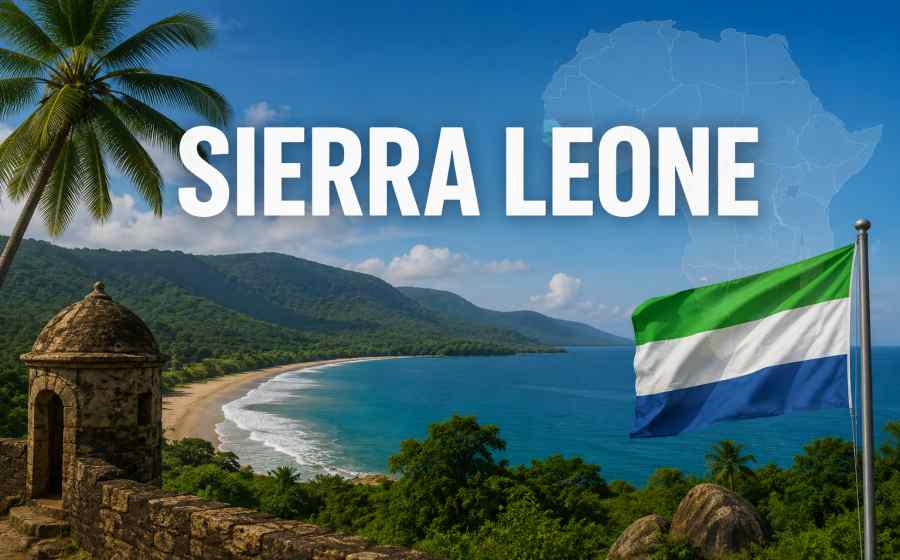
Sierra Leone is a beautiful country located on the west coast of Africa. Known for its rich cultural heritage, stunning beaches, diverse wildlife, and resilient people, Sierra Leone has overcome many challenges to emerge as a peaceful and developing nation. Although it is one of Africa’s smaller countries, it has a significant historical background and abundant natural resources, especially diamonds.
Table of Contents
Location and Geography
Sierra Leone is situated on the Atlantic coast of West Africa. It shares borders with Guinea to the north and east, Liberia to the southeast, and the Atlantic Ocean to the southwest.
- Capital: Freetown
- Largest City: Freetown
- Continent: Africa
- Area: Approximately 71,740 square kilometers
- Population: Around 9 million (estimated)
- Official Language: English
- Currency: Sierra Leonean Leone (SLE)
- Time Zone: Greenwich Mean Time (GMT)
The country features coastal plains, tropical rainforests, hills, rivers, and mountain ranges. The Loma Mountains contain the country’s highest peak, Mount Bintumani, which stands at about 1,945 meters above sea level.
History of Sierra Leone
The history of Sierra Leone dates back thousands of years when various indigenous ethnic groups inhabited the region. European explorers, particularly the Portuguese, arrived during the 15th century and named the area “Serra Leoa,” meaning “Lion Mountains.”
One of the most significant chapters in Sierra Leone’s history began in the late 18th century when Britain established Freetown as a settlement for freed African slaves. Thousands of liberated slaves from Britain, North America, and the Caribbean settled there, making Sierra Leone one of Africa’s earliest centers for freed slaves.
Sierra Leone became a British colony in the 19th century and remained under British rule until it gained independence on 27 April 1961.
Following independence, the country experienced political instability, military coups, and a devastating civil war from 1991 to 2002. The conflict caused immense suffering but ended with international peacekeeping efforts. Since then, Sierra Leone has made remarkable progress in rebuilding its democracy, economy, and infrastructure.
Government and Political System
Sierra Leone is a democratic republic with a multi-party political system. The President serves as both the head of state and the head of government. Citizens elect their leaders through democratic elections.
The country is divided into provinces and districts for administrative purposes. Over the years, democratic institutions have strengthened, promoting political stability and national development.
Economy
Sierra Leone possesses abundant natural resources, making mining one of its most important industries.
Major sectors include:
- Mining
- Agriculture
- Fisheries
- Tourism
- Manufacturing
The country is internationally famous for producing:
- Diamonds
- Gold
- Rutile
- Bauxite
- Iron ore
Agriculture remains the primary livelihood for much of the population. Important crops include rice, cocoa, coffee, cassava, palm oil, and groundnuts.
Although Sierra Leone has rich mineral resources, it continues to work toward reducing poverty and expanding economic opportunities.
Culture and Traditions
Sierra Leone is home to more than 18 ethnic groups, each with its own traditions, languages, music, and customs.
Some of the largest ethnic communities include:
- Temne
- Mende
- Limba
- Kono
- Fullah
English is the official language, but Krio, an English-based creole language, is widely spoken and serves as a common language across the country.
Family values, hospitality, and respect for elders play an important role in Sierra Leonean society. Traditional ceremonies, storytelling, drumming, and colorful festivals remain central to community life.
Food and Cuisine
The cuisine of Sierra Leone reflects African flavors and local ingredients.
Popular dishes include:
- Jollof rice
- Cassava leaves stew
- Groundnut soup
- Fried fish
- Rice with vegetable sauces
- Plantains
- Sweet potatoes
Rice is the country’s staple food and is eaten almost daily. Fresh seafood is especially popular in coastal regions.
Music and Dance
Music is deeply woven into Sierra Leonean culture. Traditional instruments include drums, balafons, and various percussion instruments.
Popular music styles combine African rhythms with modern influences such as reggae, hip-hop, gospel, and Afrobeat. Dance performances are common during weddings, festivals, and community celebrations.
Sports in Sierra Leone
Football (soccer) is by far the most popular sport. The national football team is known as the Leone Stars and competes in international African competitions.
Other popular sports include:
- Basketball
- Athletics
- Cricket
- Boxing
Young athletes continue to represent Sierra Leone in regional and international sporting events.
Education
Education has become a national priority since the end of the civil war. The government has introduced programs to improve access to primary and secondary education.
Major higher education institutions include Fourah Bay College, one of the oldest universities in West Africa, founded in 1827. Increasing literacy and educational opportunities remain important goals for national development.
Wildlife and Natural Beauty
Sierra Leone boasts remarkable biodiversity. Its forests and protected areas are home to numerous species, including:
- Chimpanzees
- Forest elephants
- Pygmy hippos
- Monkeys
- Crocodiles
- Colorful bird species
The country also has beautiful Atlantic beaches, lush forests, rivers, waterfalls, and islands that attract eco-tourists.
Outamba-Kilimi National Park and Gola Rainforest National Park are among the country’s important conservation areas.
Climate
Sierra Leone has a tropical climate with two main seasons:
- Rainy Season: May to October
- Dry Season: November to April
Temperatures generally range between 24°C and 31°C, with high humidity throughout much of the year.
Tourism
Tourism is gradually growing in Sierra Leone. Popular attractions include:
- Lumley Beach
- River Number Two Beach
- Bunce Island
- Tacugama Chimpanzee Sanctuary
- Tiwai Island Wildlife Sanctuary
- Banana Islands
Visitors enjoy wildlife experiences, beaches, historical landmarks, and cultural festivals.
Interesting Facts About Sierra Leone
- Sierra Leone’s capital, Freetown, was established for freed slaves.
- Krio is understood by most people regardless of their ethnic background.
- The country has some of West Africa’s most beautiful beaches.
- Sierra Leone is one of the world’s well-known diamond-producing countries.
- Bunce Island played an important role during the transatlantic slave trade.
- Mount Bintumani is the highest mountain in Sierra Leone.
- Chimpanzees are the country’s national animal.
- Fourah Bay College is among the oldest Western-style universities in Africa.
- Sierra Leone’s national football team is called the Leone Stars.
- The country continues to make significant progress in peace, education, healthcare, and sustainable development.
Summary
Sierra Leone is a nation of resilience, cultural diversity, and natural beauty. From its historic role as a homeland for freed slaves to its abundant mineral wealth, tropical landscapes, and vibrant traditions, the country offers a unique place in African history and global geography. Despite facing difficult challenges in the past, Sierra Leone has made impressive strides toward peace, democracy, and economic growth. Its welcoming people, rich cultural heritage, wildlife, and scenic coastline make it an important country to study for general knowledge and a fascinating destination for travelers and history enthusiasts alike.
Also Check: General Knowledge