Vanuatu – History, Culture, Sports, Geography and Amazing Facts About This Island Nation
Vanuatu is a beautiful Pacific island nation known for its rich culture, fascinating history, volcanic landscapes, traditional customs, sports and nature.
Vanuatu
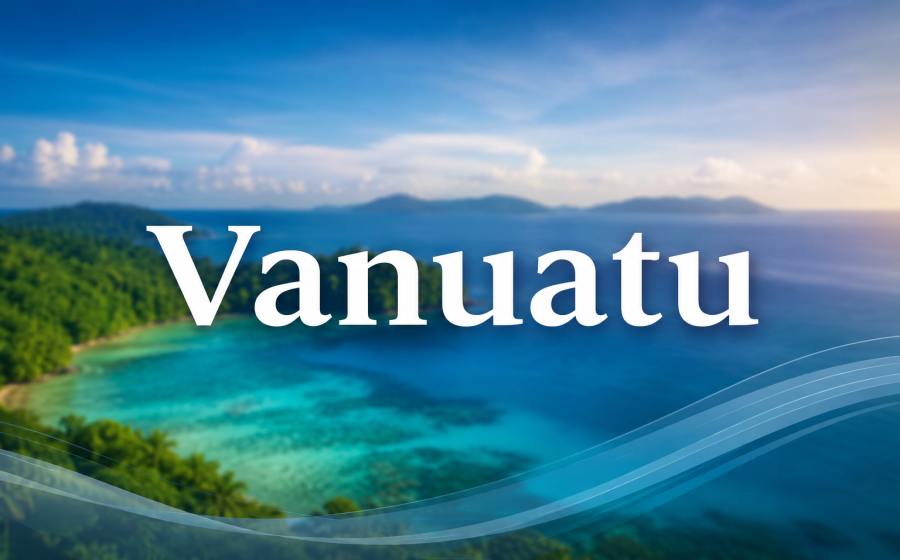
Vanuatu is a beautiful island country located in the South Pacific Ocean. It is an archipelago made up of more than 80 islands, many of which are surrounded by coral reefs, tropical forests and clear blue waters. Known for its remarkable cultural diversity and natural beauty, Vanuatu combines ancient traditions with modern island life.
The country is situated east of Australia, northeast of New Caledonia and west of Fiji. Port Vila, located on the island of Efate, is the capital and an important center for government, business and tourism. Vanuatu is particularly famous for its active volcanoes, traditional customs, beaches and diverse marine environment.
Table of Contents
History of Vanuatu
The islands of Vanuatu have a long human history dating back thousands of years. The first inhabitants were Austronesian-speaking peoples who reached the islands during the ancient migrations across the Pacific. Over generations, different communities developed their own languages, customs and social traditions.
European contact began in the 17th century when Spanish explorer Pedro Fernandes de Queirós reached the islands in 1606. Later, European explorers, traders and missionaries became increasingly involved in the region.
During the 19th century, Britain and France developed strong interests in the islands. In 1906, the two countries established the Anglo-French Condominium, under which Britain and France jointly administered the territory then known as the New Hebrides.
The independence movement gradually became stronger during the 20th century. Vanuatu finally gained independence on 30 July 1980, and the country adopted the name Vanuatu. Independence Day remains one of the most important national celebrations.
Geography and Natural Features
Vanuatu lies in the Melanesian region of the Pacific. Its islands feature mountains, tropical forests, beaches, lagoons and volcanic landscapes. Some islands are relatively small, while others have extensive mountainous interiors.
The country is part of the Pacific Ring of Fire, making volcanic activity an important feature of its geography. Several volcanoes are active or potentially active, including Mount Yasur on Tanna Island, which is one of the world’s more accessible active volcanoes.
The tropical climate supports a wide variety of plants and animals. Vanuatu’s surrounding waters are also rich in marine life, including colorful coral reefs, tropical fish and sea turtles.
Culture and Traditions
Culture is one of Vanuatu’s most distinctive features. The country has numerous traditional communities, each with its own customs, ceremonies and languages. More than 100 indigenous languages are spoken across the islands, making Vanuatu one of the world’s most linguistically diverse countries relative to its population.
Traditional music and dance are important parts of community life. People use locally made instruments, including drums, during ceremonies and celebrations. Traditional clothing, body decorations and artistic designs also vary among different communities.
One of Vanuatu’s best-known traditions is land diving, practiced on Pentecost Island. Participants jump from tall wooden towers with vines attached to their ankles. The ritual is associated with traditional beliefs, community celebrations and the yam harvest. It is often considered a cultural precursor to modern bungee jumping, although its meaning is much deeper than a recreational activity.
Another important part of traditional life is kastom, a term commonly used for customary beliefs, practices and cultural traditions. Kastom continues to influence ceremonies, social relationships and community identity.
Languages of Vanuatu
Vanuatu has an extraordinary linguistic heritage. Bislama is widely used as a national language and serves as an important means of communication among people from different linguistic communities. English and French are also official languages.
Alongside these languages, many indigenous languages continue to be spoken in villages and communities. This linguistic diversity reflects the country’s long history of separate island societies.
Religion and Society
Christianity is widely practiced in Vanuatu, and churches play an important role in many communities. At the same time, traditional customs and beliefs continue to influence cultural life.
Family and community relationships are particularly important. In many rural areas, traditional leadership structures and customary practices remain influential alongside the country’s modern governmental institutions.
Economy of Vanuatu
Vanuatu’s economy depends on several important sectors. Agriculture provides livelihoods for many people, particularly in rural areas. Major agricultural products include copra, cocoa, kava, coffee and various fruits and vegetables.
Tourism is another significant part of the economy. Visitors are attracted by the country’s beaches, coral reefs, volcanoes, forests, diving opportunities and cultural experiences. Port Vila and other tourist destinations provide accommodation, restaurants and activities for international visitors.
Fishing and small-scale trade also contribute to economic activity. Because Vanuatu consists of widely scattered islands, transportation and infrastructure can be challenging, particularly for remote communities.
Sports in Vanuatu
Sports are an important part of community life in Vanuatu. Football is the country’s most popular sport, and the national team competes in regional and international competitions. The Vanuatu Football Federation is responsible for developing football in the country.
Other sports played in Vanuatu include cricket, rugby, basketball, volleyball and athletics. Traditional games and physical activities also remain part of cultural celebrations.
Vanuatu has participated in the Olympic Games, with athletes representing the country in sports such as athletics, table tennis and sailing. Although the nation has a relatively small population, participation in international sporting events provides an important source of national pride.
Tourism in Vanuatu
Vanuatu offers a wide range of experiences for travelers. Port Vila is one of the country’s major tourist centers, while islands such as Tanna, Efate and Espiritu Santo attract visitors with their natural landscapes and cultural attractions.
Mount Yasur is a major attraction on Tanna Island. Espiritu Santo is known for its beaches, clear waters, diving locations and World War II history. Efate offers coastal scenery, cultural experiences and access to Port Vila.
The country’s marine environment is especially attractive to divers and snorkelers. Coral reefs, underwater caves and shipwrecks provide opportunities for exploring the rich Pacific Ocean ecosystem.
Important National Facts
- Official Name: Republic of Vanuatu
- Capital: Port Vila
- Region: Melanesia, South Pacific
- Independence: 30 July 1980
- Official Languages: Bislama, English and French
- Currency: Vanuatu vatu
- Main Sport: Football
- Major Natural Feature: Volcanic islands and tropical landscapes
- Famous Cultural Tradition: Land diving on Pentecost Island
- Largest Island: Espiritu Santo
- Major Tourist Center: Port Vila
- National Flag: Features red, green, black and yellow with a symbolic emblem representing the country’s identity
Interesting Facts About Vanuatu
Vanuatu is a country of remarkable cultural and geographical diversity. Despite its relatively small population, it has an exceptionally large number of indigenous languages. Its location in the Pacific Ring of Fire gives it several volcanic landscapes, including the famous Mount Yasur.
Vanuatu is also notable for its traditional land-diving ceremony on Pentecost Island. The country has a strong connection to the ocean, and fishing, sailing, diving and marine conservation are important aspects of island life.
Another interesting feature is the continued importance of customary traditions. Modern government and institutions exist alongside local customs, traditional leadership and community-based practices.
Summary
Vanuatu is a fascinating Pacific island nation where history, culture, nature and sport come together. From its ancient island communities and distinctive languages to its volcanic landscapes and spectacular marine environment, the country offers a remarkable example of Melanesian heritage.
Its journey from the New Hebrides to an independent republic in 1980 is an important part of its modern history. Traditional practices such as land diving continue to preserve cultural identity, while football, tourism and agriculture contribute to contemporary life. With its diverse islands, vibrant traditions and extraordinary natural surroundings, Vanuatu remains one of the most distinctive countries in the Pacific.
Also Check: General Knowledge