Switzerland – History of a Land of Alps, Culture, Tourist Places and Fascinating Facts
Discover Switzerland through its rich history, Alpine beauty, unique culture, sports, traditions, economy and remarkable facts that make it truly special.
Switzerland
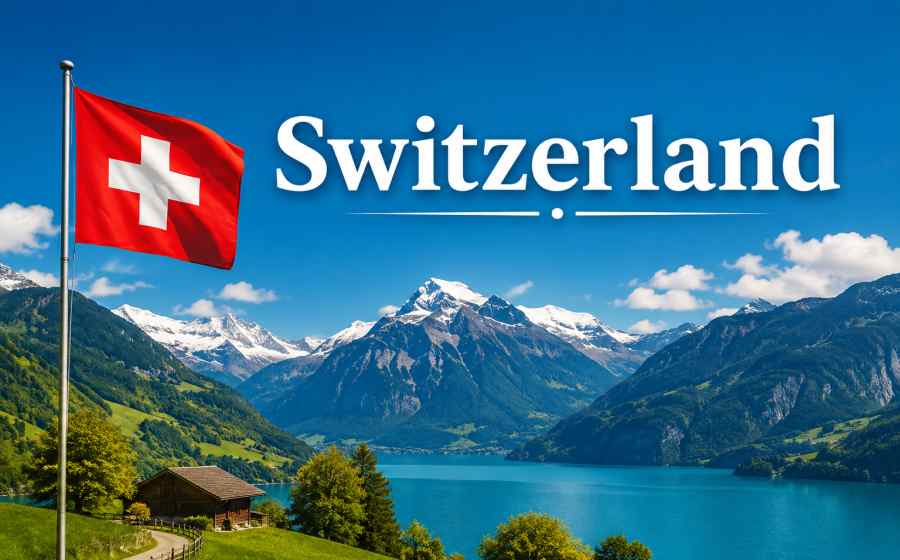
Switzerland is one of the most admired countries in the world, known for its breathtaking Alpine landscapes, political neutrality, advanced economy, and high quality of life. Located in the heart of Europe, Switzerland is famous for snow-covered mountains, crystal-clear lakes, delicious chocolates, luxury watches, and efficient public transportation. Despite its relatively small size, the country has made remarkable contributions to global diplomacy, science, finance, and innovation.
Switzerland is home to four official languages and a diverse cultural heritage influenced by neighboring Germany, France, Italy, and Austria. It is also recognized as the headquarters of many international organizations, making it an important center for global cooperation.
Table of Contents
History of Switzerland
The history of Switzerland dates back thousands of years. Ancient Celtic tribes first inhabited the region before it became part of the Roman Empire around the 1st century BC. After the fall of Rome, various Germanic tribes settled in the area.
Modern Switzerland traces its origins to 1291, when three Alpine cantons formed a defensive alliance known as the Swiss Confederation. This alliance gradually expanded as more regions joined together.
Over the centuries, Switzerland successfully defended its independence from powerful neighboring kingdoms. The country’s neutrality became internationally recognized after the Congress of Vienna in 1815. Since then, Switzerland has avoided participation in major international wars, including both World Wars, while serving as a center for humanitarian efforts. Today, Switzerland is one of the world’s most stable democracies with a strong federal political system.
Geography of Switzerland
Switzerland is a landlocked country in Central Europe bordered by:
- Germany (north)
- France (west)
- Italy (south)
- Austria (east)
- Liechtenstein (east)
The country covers approximately 41,285 square kilometers. Its landscape is divided into three major regions:
- The Alps
- The Swiss Plateau
- The Jura Mountains
The Alps occupy nearly 60% of Switzerland, making it one of Europe’s top destinations for mountain tourism and winter sports.
Capital and Major Cities
- Capital: Bern
- Largest City: Zurich
- Other Important Cities:
- Geneva
- Basel
- Lausanne
- Lucerne
Geneva hosts many international organizations, while Zurich is the country’s financial and business center.
Culture of Switzerland
Swiss culture is unique because it combines traditions from several European cultures while maintaining its own identity.
The country has four official languages:
- German
- French
- Italian
- Romansh
Each linguistic region has its own customs, festivals, architecture, and cuisine. Swiss people are known for punctuality, cleanliness, discipline, honesty, and respect for public rules. Local communities actively participate in democratic decision-making through referendums.
Traditional music often includes alphorns and yodeling, while folk dances remain popular during cultural festivals.
Traditional Food
Swiss cuisine varies across regions but includes several internationally famous dishes. Popular foods include:
- Cheese Fondue
- Raclette
- Rösti
- Birchermüesli
- Swiss chocolate
- Swiss cheese
- Zürcher Geschnetzeltes
Switzerland is among the world’s leading producers of premium chocolates and specialty cheeses.
Festivals and Celebrations
Some important Swiss festivals include:
- Swiss National Day (1 August)
- Basel Carnival
- Geneva Festival
- Fête des Vignerons
- Alpabzug (Cattle Descent Festival)
These festivals celebrate local traditions, music, costumes, and agricultural heritage.
Economy of Switzerland
Switzerland has one of the strongest economies in the world. Major industries include:
- Banking
- Finance
- Pharmaceuticals
- Precision engineering
- Tourism
- Biotechnology
- Luxury watch manufacturing
- Food processing
The country is home to many globally recognized companies and has consistently ranked among the world’s most innovative economies.
Its stable banking sector and business-friendly environment have made Switzerland an important financial hub.
Education System
Switzerland has an excellent education system with strong vocational training and world-class universities. Students can choose between academic and practical career paths, helping maintain a highly skilled workforce.
Swiss universities attract students from around the world, particularly in engineering, science, hospitality, and business studies.
Sports in Switzerland
Sports play an important role in Swiss society. Popular sports include:
- Football
- Ice hockey
- Skiing
- Snowboarding
- Cycling
- Tennis
- Mountaineering
The country’s Alpine terrain makes it a paradise for winter sports. Switzerland has hosted numerous international sporting competitions and regularly produces world-class athletes in skiing, tennis, cycling, and athletics.
Tourism in Switzerland
Tourism is one of Switzerland’s most important industries. Major attractions include:
- The Matterhorn
- Jungfraujoch
- Lake Geneva
- Interlaken
- Lucerne
- Rhine Falls
- Swiss National Park
Visitors enjoy mountain railways, scenic lakes, hiking trails, cable cars, skiing, and charming medieval towns throughout the year.
Government and Political System
Switzerland is a federal republic consisting of 26 cantons. One of its most distinctive features is direct democracy, where citizens regularly vote on national and local issues through referendums.
The Federal Council serves as the country’s executive body, and power is shared among multiple leaders rather than a single president. This system has contributed to Switzerland’s political stability and citizen participation.
Environment and Wildlife
Switzerland places great importance on environmental conservation. Protected forests, national parks, and clean water resources support diverse wildlife, including:
- Alpine ibex
- Chamois
- Marmots
- Golden eagles
- Red deer
Strict environmental regulations help preserve the country’s natural beauty.
Interesting Facts About Switzerland
- Switzerland has four official languages.
- Bern is the capital, while Zurich is the largest city.
- The country is famous for its policy of neutrality.
- The Alps cover nearly 60% of its land area.
- Switzerland has one of the world’s highest standards of living.
- It is internationally renowned for chocolates and luxury watches.
- Geneva hosts many important international organizations.
- The Swiss railway network is among the world’s most efficient.
- Citizens frequently vote in national referendums.
- Switzerland consistently ranks among the world’s most innovative countries.
Why Switzerland is Unique
Switzerland stands out for its peaceful society, strong democracy, beautiful natural landscapes, advanced economy, and multicultural identity. Its combination of modern innovation and centuries-old traditions makes it one of Europe’s most respected nations. Whether admired for its snow-covered Alps, humanitarian contributions, financial excellence, or cultural diversity, Switzerland continues to inspire people around the world.
Summary
Switzerland is much more than a scenic tourist destination. It is a nation built on cooperation, democracy, innovation, and respect for cultural diversity. From its fascinating history and multilingual society to its thriving economy and world-famous sports, Switzerland offers valuable lessons in stability, sustainability, and progress. Its rich heritage and global influence ensure that it remains one of the most remarkable countries in the world.
Also Check: General Knowledge