Bahamas – History, Culture, Sports, Tourist Places, Geography and Key Facts
Explore Bahamas history, culture, sports, geography, tourism, traditions, economy and fascinating facts about this beautiful island nation.
Bahamas
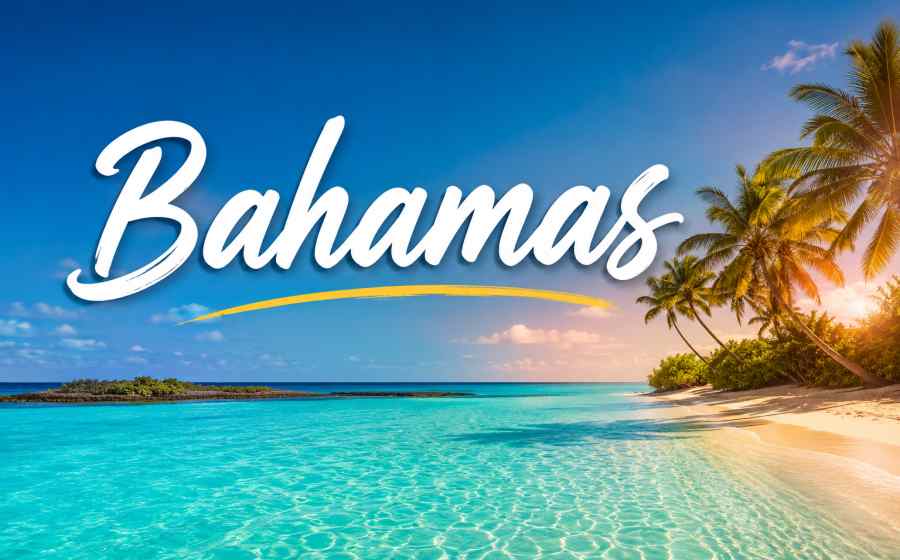
The Bahamas is a beautiful island country located in the Atlantic Ocean, known for its turquoise waters, sandy beaches, coral reefs, and vibrant Caribbean culture. Officially called the Commonwealth of The Bahamas, the country consists of hundreds of islands and thousands of smaller cays. Its natural beauty and rich historical background have made it one of the most recognized island nations in the world.
Table of Contents
Geography and Location of the Bahamas
The Bahamas is situated in the Atlantic Ocean, southeast of the United States and north of Cuba and Hispaniola. Although the country contains more than 700 islands and numerous cays, only a relatively small number are permanently inhabited.
The capital and largest city is Nassau, located on New Providence Island. Another important island is Grand Bahama, which is home to Freeport, one of the country’s major commercial centers.
The islands are mostly low-lying and are surrounded by shallow seas, coral reefs, and spectacular marine ecosystems. The warm tropical climate attracts visitors throughout the year, while hurricanes can affect the region during the Atlantic hurricane season.
History of the Bahamas
The history of the Bahamas goes back centuries before European arrival. The islands were inhabited by the Lucayan people, an Indigenous group related to the Taíno peoples of the wider Caribbean region.
Christopher Columbus reached the islands in 1492 during his first voyage across the Atlantic. He reportedly landed on an island he named San Salvador, which is traditionally identified with an island in the Bahamas.
Following European contact, the Indigenous population declined dramatically because of disease, forced labor, and displacement. During the following centuries, the islands came under European influence, particularly that of Britain.
The Bahamas became a British colony and developed connections with maritime trade. During the 17th and 18th centuries, the islands were also associated with pirates and privateers. Nassau became particularly famous as a center of piracy in the early 18th century.
After centuries of British rule, the Bahamas gradually moved toward self-government. The country achieved independence from the United Kingdom on July 10, 1973. Independence Day is now one of the country’s most important national celebrations.
Nassau and the Cultural Heritage
Nassau is the political, economic, and cultural heart of the Bahamas. The city combines colonial-era architecture with modern tourism, markets, restaurants, museums, and waterfront attractions.
The country’s culture reflects Indigenous Caribbean heritage, African traditions, British historical influence, and other international connections. Music, dance, festivals, food, storytelling, and traditional crafts are important parts of Bahamian identity.
One of the most famous cultural celebrations is Junkanoo, a colorful street festival featuring elaborate costumes, dancing, rhythmic music, and large parades. Junkanoo is traditionally celebrated around Christmas and New Year’s, and it represents an important expression of Bahamian cultural identity.
Language and Religion
English is the official language of the Bahamas and is widely used in government, education, business, and everyday communication. Bahamian English and local speech patterns have their own distinctive characteristics.
Christianity is the dominant religion, with various Protestant denominations having a strong presence. Religious traditions have influenced community life, music, celebrations, and social customs across the islands.
Bahamian Food and Traditions
Bahamian cuisine is strongly connected to the sea and the country’s Caribbean environment. Seafood is an important part of local cooking, with conch being one of the best-known ingredients.
Popular dishes include conch salad, cracked conch, conch fritters, peas and rice, baked crab, grilled seafood, and various tropical fruit preparations. Bahamian cuisine combines local ingredients with African, Caribbean, European, and other influences.
Traditional celebrations often feature music, dancing, colorful clothing, food, and community gatherings. Junkanoo remains one of the strongest symbols of national cultural pride.
Sports in the Bahamas
Sports play an important role in Bahamian society, and the country has produced several internationally recognized athletes.
Athletics is particularly important. Bahamian sprinters and relay teams have competed successfully at the Olympic Games and World Championships. The country has earned Olympic medals in track and field, helping establish its reputation in international athletics.
The Bahamas is also strongly associated with basketball. The sport is popular among young people, and several Bahamian players have reached high levels of international competition, including the NBA.
Boxing, swimming, sailing, baseball, and tennis are also practiced throughout the country. Because of its location and extensive coastline, sailing and other water-based sports have a natural place in Bahamian life.
The country has also hosted major sporting events and international competitions, particularly in athletics and water sports.
Tourism and Natural Beauty
Tourism is one of the most important parts of the Bahamian economy. Millions of visitors are attracted by the country’s beaches, resorts, cruise facilities, marine life, and recreational opportunities.
The Bahamas is famous for activities such as snorkeling, scuba diving, sailing, fishing, boating, and swimming. Its coral reefs and clear waters support diverse marine life.
The country is also known for its unique natural attractions. Andros, the largest island in the Bahamas, is famous for its natural landscapes and the Andros Barrier Reef, one of the world’s significant coral reef systems.
Other popular destinations include Grand Bahama, Paradise Island, Exuma, Eleuthera, and Harbour Island. Each area offers distinctive landscapes, beaches, cultural experiences, and opportunities for outdoor activities.
Economy of the Bahamas
The economy of the Bahamas is largely based on tourism and financial services. Tourism provides employment and contributes significantly to national economic activity through hotels, restaurants, transportation, entertainment, and related businesses.
The country is also recognized as an international financial center. Banking, investment services, and other financial activities contribute to the economy.
Fishing, agriculture, construction, and other industries also have roles in national development, although tourism remains particularly important.
Government and National Identity
The Bahamas is a parliamentary constitutional monarchy and is a member of the Commonwealth. The country’s political system has developed from its British colonial history while operating as an independent sovereign state.
The national flag consists of three main colors: aquamarine, gold, and black. The aquamarine stripes represent the surrounding sea, gold represents the sun and natural resources, and the black triangle symbolizes the strength and determination of the Bahamian people.
The national motto is “Forward, Upward, Onward, Together.”
Important Facts About the Bahamas
- Official name: Commonwealth of The Bahamas
- Capital: Nassau
- Largest city: Nassau
- Location: Atlantic Ocean, Caribbean region
- Independence: July 10, 1973
- Official language: English
- Currency: Bahamian dollar
- Government: Parliamentary constitutional monarchy
- Major economic sectors: Tourism and financial services
- Famous cultural festival: Junkanoo
- Major sport: Athletics, along with basketball and water sports
- Largest island: Andros
- National motto: “Forward, Upward, Onward, Together”
- Known for: Beaches, coral reefs, marine life, islands, and tropical landscapes
The Bahamas Today
Today, the Bahamas combines a fascinating historical heritage with a modern tourism-driven economy. Its strategic location, beautiful natural environment, cultural traditions, and international sporting achievements have given the country a distinctive place in the Caribbean region.
From the historic streets of Nassau to the coral reefs surrounding its islands, the Bahamas offers a combination of history, culture, nature, and modern development. Its Indigenous heritage, British colonial past, African cultural influences, independence, and vibrant traditions have all contributed to the national identity seen today.
The Bahamas is therefore much more than a tropical holiday destination. It is a country with a rich historical journey, distinctive cultural traditions, successful athletes, diverse marine ecosystems, and an important role in the wider Caribbean and Atlantic region.
Summary
The Bahamas is a beautiful island nation celebrated for its crystal-clear waters, sandy beaches, rich history, vibrant culture, and sporting achievements. From its Lucayan heritage and British colonial past to independence in 1973, the country has developed a distinctive identity. Tourism, Junkanoo celebrations, seafood cuisine, athletics, and marine biodiversity remain important parts of life in the Bahamas.
Also Check: General Knowledge