Jamaica – History, Culture, Tourist Places, Sports and Key Facts
Discover Jamaica, its rich history, vibrant culture, reggae music, famous sports stars, geography, traditions and important national facts.
Jamaica
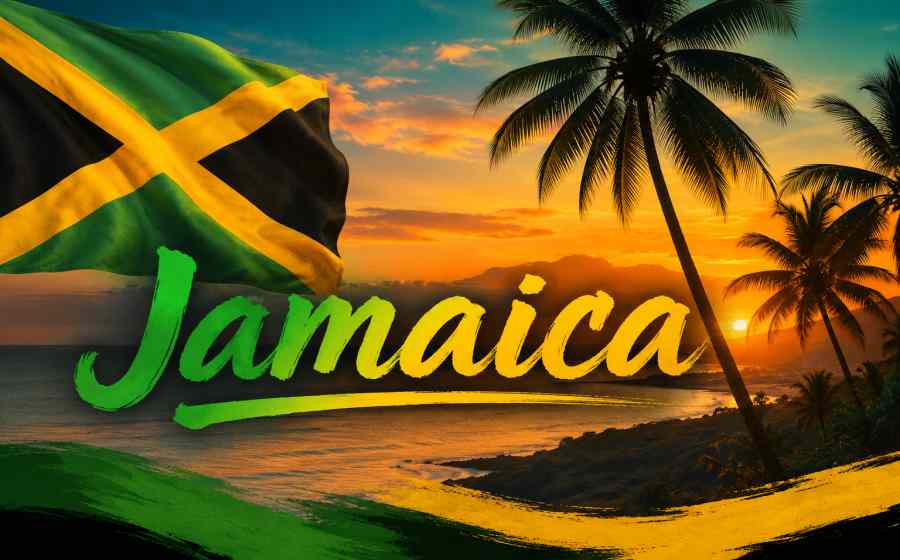
Jamaica is a vibrant island nation in the Caribbean Sea, famous around the world for reggae music, breathtaking beaches, Blue Mountain coffee, distinctive cuisine and extraordinary sporting talent. Although relatively small in size, Jamaica has had a remarkable influence on global music, athletics and popular culture. Its history reflects Indigenous heritage, European colonial rule, African traditions, resistance, independence and the development of a distinctive Caribbean identity.
Table of Contents
Geography of Jamaica
Jamaica is located in the Caribbean Sea, south of Cuba and west of Hispaniola. It is one of the larger islands in the Caribbean and has a landscape that includes mountains, forests, valleys, waterfalls and coastal plains. The island is particularly known for the Blue Mountains, which form part of its rugged eastern landscape.
The Blue and John Crow Mountains are internationally recognized for both their natural and cultural importance. The UNESCO World Heritage property covers a large mountainous rainforest region and preserves ecosystems as well as the heritage associated with Jamaica’s Maroon communities.
Kingston is the capital and the country’s largest urban centre. Other important places include Montego Bay, Spanish Town, Port Antonio and Ocho Rios. Tourism is an important part of Jamaica’s international image, with visitors attracted by its beaches, natural scenery, cultural heritage and music.
History of Jamaica
The earliest known inhabitants of Jamaica were the Taíno people, an Indigenous Caribbean population. They lived on the island before European contact and developed communities based on agriculture, fishing and trade.
Christopher Columbus reached Jamaica in 1494 during his second voyage to the Americas. Spanish colonial rule followed, before England captured the island in 1655. Jamaica subsequently became an important British colony and developed an economy heavily connected with plantation agriculture and the Atlantic slave trade.
The history of slavery profoundly shaped Jamaican society. Enslaved Africans were brought to the island to work on plantations, particularly those producing sugar and other agricultural commodities. Resistance to slavery took many forms, including the establishment of independent Maroon communities in Jamaica’s mountainous interior.
The Maroons played an important role in Jamaica’s history by resisting colonial control and maintaining distinctive cultural traditions. UNESCO recognizes the Maroon heritage of Moore Town as part of the island’s intangible cultural heritage.
Jamaica gradually moved toward greater self-government during the twentieth century. The country achieved independence from Britain on 6 August 1962, becoming an independent nation while remaining a member of the Commonwealth.
Jamaica’s historical heritage continues to be preserved through important sites. In 2025, the archaeological landscape of 17th-century Port Royal was added to the UNESCO World Heritage List. Port Royal was once a major English settlement and trading centre before a devastating earthquake in 1692 submerged a significant part of the town.
Jamaican Culture and Traditions
Jamaican culture is a rich blend of African, European, Indigenous Caribbean and other influences. Music, food, language, religion, festivals, dance and community traditions all contribute to the country’s distinctive identity.
One of Jamaica’s greatest cultural contributions is reggae music. The genre developed from earlier Jamaican musical traditions and became an international cultural phenomenon. The music of Jamaica has been strongly associated with themes of social justice, identity, spirituality, love and everyday life.
UNESCO added Reggae Music of Jamaica to the Representative List of the Intangible Cultural Heritage of Humanity in 2018. Jamaica is also represented on the list through the Maroon heritage of Moore Town and the Pilgrimage to Watt Town.
Jamaican cuisine is another important part of its cultural identity. Popular foods include jerk chicken, jerk pork, rice and peas, ackee and saltfish, patties and various seafood dishes. Jamaican jerk cooking, in particular, has become popular far beyond the Caribbean.
The country’s language environment is also distinctive. English is the official language, while Jamaican Patois, commonly called Patwa, is widely spoken in everyday life. The language reflects the island’s complex historical and cultural development.
Bob Marley and Jamaican Music
No discussion of Jamaican culture is complete without mentioning Bob Marley, one of the most influential figures in the history of reggae. Through his music, Marley helped introduce Jamaican reggae to audiences across the world.
His songs often addressed peace, freedom, equality, spirituality and social concerns. His international influence made him a cultural symbol of Jamaica and helped establish reggae as a globally recognized musical form.
Jamaica’s musical heritage extends beyond reggae. Other genres associated with the island include ska, rocksteady, dub, mento and dancehall. Kingston’s importance as a musical centre has also received international recognition; UNESCO designated Kingston a Creative City of Music in 2015.
Sports in Jamaica
Sports are an important part of Jamaican national identity, particularly athletics and cricket. Jamaica has produced some of the world’s most famous track-and-field athletes.
The country’s sprinting tradition is especially impressive. Usain Bolt is the most internationally recognized Jamaican athlete. He became an eight-time Olympic gold medalist and established himself as one of the greatest sprinters in history. His achievements in the 100 metres and 200 metres made him a global sporting icon.
Other Jamaican athletes such as Shelly-Ann Fraser-Pryce, Elaine Thompson-Herah and Veronica Campbell-Brown have also achieved major success in international sprinting.
Jamaica has traditionally been a strong force in relay events, particularly the men’s and women’s 4 × 100 metres. Its success has helped inspire generations of young athletes.
Cricket also has a deep historical connection with Jamaica. The island has produced notable players who have represented the West Indies, and cricket remains an important part of sporting culture.
Football is another popular sport. Jamaica’s national men’s team, known as the Reggae Boyz, reached the FIFA World Cup in 1998, an important milestone in the country’s sporting history.
Economy and Major Industries
Jamaica’s economy includes tourism, agriculture, mining, manufacturing and services. Tourism plays a particularly important role because of the island’s beaches, resorts, natural attractions and cultural experiences.
Agriculture has historically been important, with products such as sugar, bananas and coffee associated with the country. Jamaica Blue Mountain Coffee is particularly famous internationally for its quality and distinctive character.
Bauxite and alumina have also been significant components of Jamaica’s mining industry. The country’s natural resources, location and tourism sector continue to influence its economic development.
Famous Places in Jamaica
Jamaica offers a wide variety of natural and historical attractions. The Blue Mountains are known for spectacular scenery, forests and coffee-growing areas. Dunn’s River Falls near Ocho Rios is one of the island’s best-known natural attractions.
Montego Bay is famous for its beaches and tourism infrastructure, while Negril is known for its coastline and sunsets. Port Antonio offers lush landscapes and a quieter atmosphere.
Kingston is particularly important for visitors interested in Jamaican history, music and culture. Port Royal provides an opportunity to explore a fascinating chapter of the island’s colonial past and maritime history.
Important Facts About Jamaica
- Official Name: Jamaica
- Capital: Kingston
- Location: Caribbean Sea
- Independence: 6 August 1962
- Official Language: English
- Commonly Spoken Language: Jamaican Patois
- Currency: Jamaican Dollar
- Famous Music: Reggae, ska, rocksteady and dancehall
- Famous Athlete: Usain Bolt
- Highest Mountain: Blue Mountain Peak
- Major Cultural Symbol: Reggae music
- Famous Food: Jerk cuisine and ackee and saltfish
- Major Industry: Tourism
- UNESCO World Heritage Sites: Blue and John Crow Mountains and the Archaeological Ensemble of 17th Century Port Royal
Jamaica’s Global Importance
Jamaica’s influence extends far beyond its geographical size. Its music has shaped international popular culture, its athletes have transformed sprinting, and its cuisine and traditions have gained worldwide recognition. The country’s heritage also demonstrates the importance of remembering Indigenous communities, the history of slavery, resistance and the development of modern Caribbean societies.
Jamaica’s cultural heritage continues to receive international recognition. UNESCO currently lists two World Heritage properties in the country and three elements of Jamaican intangible cultural heritage.
Summary
Jamaica is much more than a tropical Caribbean destination. It is a country with a complex history, powerful cultural traditions and an extraordinary global influence. From the legacy of the Taíno people and Maroon communities to the country’s journey toward independence, Jamaica’s history has shaped its modern identity. Reggae music, Jamaican cuisine, athletics and internationally celebrated figures such as Bob Marley and Usain Bolt have made the island instantly recognizable around the world. Its mountains, beaches, heritage sites and vibrant communities further strengthen its importance as one of the Caribbean’s most culturally influential nations.
Also Check: General Knowledge