Gambia – History, Culture, Sports and Key Facts About The Smiling Coast of Africa
Explore Gambia through its history, culture, sports, economy and key facts. Learn why this small West African nation is known as the “Smiling Coast of Africa.”
Gambia
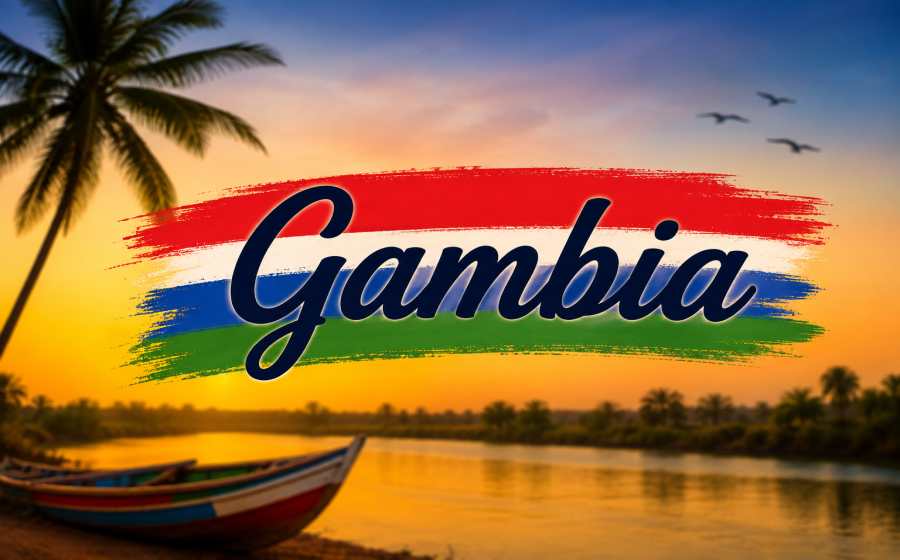
Gambia, officially known as the Republic of The Gambia, is the smallest country on mainland Africa. Located in West Africa, it is almost entirely surrounded by Senegal, except for a short coastline along the Atlantic Ocean. Despite its small size, Gambia is rich in history, cultural diversity, natural beauty, and vibrant traditions. The country is often called the “Smiling Coast of Africa” because of the friendliness and hospitality of its people.
The Gambia River, which flows through the center of the country, has played a crucial role in shaping its economy, history, and culture. Today, Gambia is known for its tourism industry, colorful festivals, wildlife, and growing sports culture.
Table of Contents
History of Gambia
The history of Gambia dates back thousands of years. Ancient trade routes connected the region with other parts of West Africa, allowing the exchange of gold, ivory, salt, and other goods. Various ethnic groups settled along the Gambia River and established communities that contributed to the region’s cultural richness.
During the 15th century, Portuguese explorers were among the first Europeans to arrive in the area. Over time, British influence increased, and the region became an important center for trade. Unfortunately, Gambia was also affected by the transatlantic slave trade, which had a lasting impact on the country and its people.
In the 19th century, Britain established control over the territory, and it became a British colony. After decades of political development and growing demands for self-rule, Gambia gained independence from the United Kingdom on February 18, 1965.
Since independence, the country has experienced political changes, democratic reforms, and economic development efforts. Today, Gambia continues to strengthen its democratic institutions and improve the quality of life for its citizens.
Geography and Climate
Gambia covers an area of approximately 11,300 square kilometers, making it the smallest country on mainland Africa. The nation stretches along both sides of the Gambia River, which is its most important geographical feature.
The country has a tropical climate with two main seasons:
- Rainy Season: June to October
- Dry Season: November to May
Temperatures remain warm throughout the year, making Gambia an attractive destination for tourists seeking sunshine and outdoor activities.
The riverbanks, wetlands, forests, and coastal regions support diverse plant and animal life. Birdwatching is particularly popular, as hundreds of bird species can be found across the country.
People and Culture
Gambia is home to several ethnic groups, including:
- Mandinka
- Fula
- Wolof
- Jola
- Serahule
Each group contributes unique customs, music, language, and traditions to the nation’s cultural identity.
English is the official language, a legacy of British colonial rule. However, many local languages are widely spoken throughout the country.
Family and community play central roles in Gambian society. Respect for elders, hospitality, and strong social bonds are highly valued cultural traits.
Traditional storytelling, music, and dance remain important aspects of daily life and cultural celebrations.
Music and Traditional Arts
Music is deeply rooted in Gambian culture. Traditional instruments include:
- Kora (a 21-string harp-like instrument)
- Balafon
- Djembe drum
The kora is especially significant and is played by griots, who are traditional musicians and storytellers responsible for preserving history through oral traditions.
Modern Gambian music blends traditional rhythms with contemporary genres such as reggae, hip-hop, and Afrobeat. Local artists continue to promote Gambian culture both nationally and internationally.
Handicrafts, wood carvings, woven baskets, and colorful textiles also reflect the country’s rich artistic heritage.
Economy of Gambia
Agriculture remains one of the most important sectors of the Gambian economy. Major crops include:
- Groundnuts (peanuts)
- Rice
- Millet
- Maize
Groundnuts have historically been one of the country’s primary export products.
Tourism is another major contributor to the economy. Visitors are attracted by the country’s beaches, wildlife reserves, cultural experiences, and warm hospitality.
Fishing also plays a significant role, providing employment and food for many communities. In recent years, efforts have been made to diversify the economy through investments in infrastructure, education, and services.
Sports in Gambia
Football (soccer) is the most popular sport in Gambia. Children and adults across the country actively participate in the game, and football matches attract enthusiastic supporters.
The national football team, known as the Scorpions, has gained recognition in African football competitions. Gambian players have also earned opportunities to play for clubs in Europe and other parts of the world.
Other sports enjoyed in Gambia include:
- Athletics
- Basketball
- Wrestling
- Volleyball
Government programs and sports organizations continue to encourage youth participation in athletics and recreational activities.
Tourism and Famous Attractions
Tourism is an important industry in Gambia due to its pleasant climate and natural attractions. Some notable destinations include:
Kunta Kinteh Island
A UNESCO World Heritage Site associated with the history of the transatlantic slave trade.
Abuko Nature Reserve
One of the country’s most famous wildlife reserves, home to monkeys, birds, reptiles, and other animals.
Bijilo Forest Park
A popular destination for nature lovers and birdwatchers.
Banjul
The capital city of Gambia, known for markets, historical landmarks, and cultural sites.
Atlantic Coast Beaches
The country’s coastline features beautiful sandy beaches that attract visitors from around the world.
Education and Development
Education has become a national priority in Gambia. The government has expanded access to schools and improved educational opportunities for children across the country.
Universities and vocational institutions are helping develop skilled professionals who can contribute to economic growth and national development.
International partnerships and development programs continue to support healthcare, infrastructure, and environmental conservation initiatives.
Key Facts About Gambia
- Official Name: Republic of The Gambia
- Capital City: Banjul
- Largest City: Serekunda
- Continent: Africa
- Official Language: English
- Currency: Gambian Dalasi (GMD)
- Independence: February 18, 1965
- Major River: Gambia River
- Main Religion: Islam
- National Sport: Football (Soccer)
- Nickname: Smiling Coast of Africa
Summary
Gambia may be small in size, but it possesses a remarkable blend of history, culture, natural beauty, and resilience. From the historic legacy of the Gambia River to its vibrant music, welcoming people, and growing sports achievements, the country offers a unique identity within West Africa. As tourism, education, and economic development continue to expand, Gambia remains an inspiring example of how cultural richness and community spirit can shape a nation’s future. Whether explored for its historical significance or its scenic landscapes, Gambia stands as one of Africa’s most fascinating and welcoming destinations.
Also Check: General Knowledge