
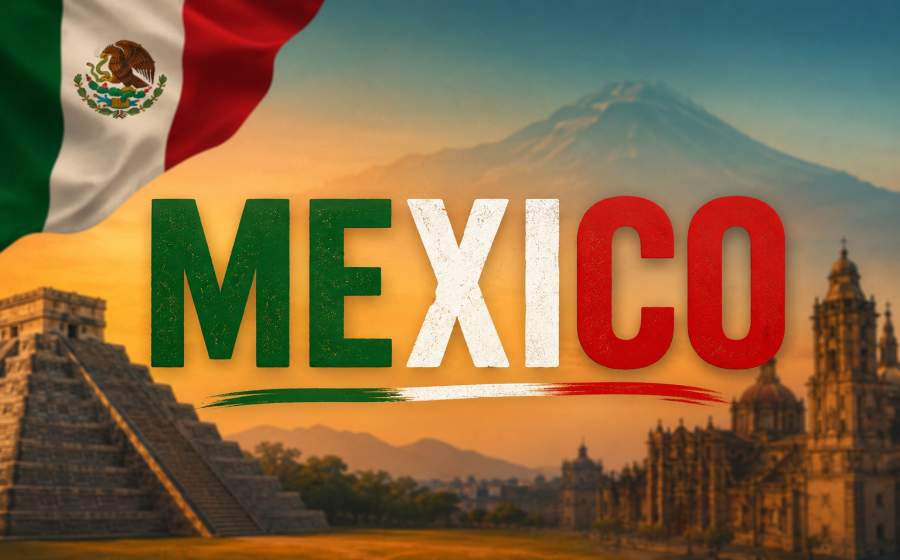
Mexico – History, Culture, Sports and Important Facts About the Nation
Explore Mexico’s history, culture, sports, traditions, geography, economy and key facts. Learn what makes Mexico one of the world’s most vibrant nations.
Mexico
Mexico is one of the most colorful and culturally rich countries in the world. Located in the southern part of North America, Mexico is known for its ancient civilizations, delicious cuisine, vibrant festivals, stunning landscapes, and passionate sports culture. With a population of over 130 million people, it is the most populous Spanish-speaking nation on Earth and plays an important role in global culture, trade, and tourism. From the pyramids of ancient civilizations to modern cities and beautiful beaches, Mexico offers a fascinating blend of history and modernity.
Table of Contents
History of Mexico
The history of Mexico dates back thousands of years. Long before European arrival, advanced civilizations such as the Olmec, Maya, Toltec, and Aztec flourished in the region. These societies developed remarkable achievements in architecture, astronomy, mathematics, and agriculture. The Aztec Empire became one of the most powerful civilizations in Mesoamerica before Spanish explorer Hernán Cortés arrived in 1519.
The Spanish conquest led to the fall of the Aztec Empire in 1521, and Mexico became part of the Spanish colonial empire for nearly 300 years. Mexico gained independence from Spain on September 16, 1810, after a long struggle led by national heroes such as Miguel Hidalgo and José María Morelos. The country officially achieved independence in 1821.
Throughout the 19th and early 20th centuries, Mexico experienced political changes, reforms, and revolutions. The Mexican Revolution (1910–1920) significantly shaped the modern nation by promoting social justice and constitutional reforms. Today, Mexico is a federal republic with a democratic system of government and a growing influence on the world stage.
Geography and Climate
Mexico covers approximately 1.96 million square kilometers, making it one of the largest countries in the Americas. It shares borders with the United States to the north and Guatemala and Belize to the south.
The country features diverse landscapes, including:
- Mountain ranges
- Deserts
- Tropical rainforests
- Volcanoes
- Coastal plains
- Beautiful beaches along the Pacific Ocean and the Gulf of Mexico
Because of its varied geography, Mexico experiences different climate zones ranging from arid deserts in the north to tropical climates in the south.
Mexican Culture
Mexican culture is a unique blend of Indigenous traditions and Spanish influences. Family plays a central role in Mexican society, and strong community ties are highly valued.
Mexicans are known for their hospitality, music, dance, art, and colorful celebrations. Traditional cultural expressions continue to thrive alongside modern lifestyles.
Some important elements of Mexican culture include:
Music
Music is deeply rooted in Mexican life. Popular genres include:
- Mariachi
- Ranchera
- Norteño
- Banda
- Traditional folk music
Mariachi bands, with their distinctive outfits and instruments, are internationally recognized symbols of Mexican culture.
Art and Literature
Mexico has produced many famous artists and writers. The country is renowned for its murals, paintings, literature, and crafts. Traditional handicrafts such as pottery, textiles, and silverwork remain important cultural treasures.
Festivals
Mexico celebrates numerous festivals throughout the year. One of the most famous is the Day of the Dead (Día de los Muertos), a colorful celebration honoring deceased loved ones. Other major celebrations include Independence Day, Christmas festivities, and regional cultural fairs.
Mexican Cuisine
Mexican cuisine is among the most popular and influential cuisines in the world. It combines Indigenous ingredients with Spanish culinary traditions.
Popular Mexican dishes include:
- Tacos
- Enchiladas
- Tamales
- Burritos
- Quesadillas
- Guacamole
- Mole
Staple ingredients often include corn, beans, chili peppers, tomatoes, and avocados.
Mexican food is recognized globally for its rich flavors, variety, and cultural significance. Traditional Mexican cuisine has even been recognized by UNESCO as an Intangible Cultural Heritage of Humanity.
Sports in Mexico
Sports play an important role in Mexican society and unite people across the country.
Football (Soccer)
Football is the most popular sport in Mexico. Millions of fans passionately support local clubs and the national team. The Mexican national football team has regularly qualified for FIFA World Cup tournaments and remains one of the strongest teams in the CONCACAF region.
Boxing
Mexico has produced numerous world-class boxers and champions. Boxing enjoys widespread popularity, and many Mexican athletes have achieved international success.
Baseball
Baseball is particularly popular in northern regions and coastal states. Professional leagues attract large audiences and talented players.
Other Sports
Basketball, wrestling (Lucha Libre), motorsports, and athletics also have dedicated followings. Lucha Libre, with its colorful masks and dramatic performances, is a distinctive part of Mexican entertainment culture.
Economy of Mexico
Mexico has one of the largest economies in Latin America. Its economy is driven by:
- Manufacturing
- Agriculture
- Tourism
- Oil and gas
- Automotive production
- Technology and services
The country is a major exporter of automobiles, electronics, agricultural products, and manufactured goods. Its close economic relationship with the United States contributes significantly to trade and investment.
Tourism is another major contributor to the economy, attracting millions of visitors annually to beaches, historical sites, and cultural attractions.
Wildlife and Natural Beauty
Mexico is considered one of the world’s most biodiverse countries. It is home to thousands of plant and animal species, many of which are found nowhere else.
Notable wildlife includes:
- Jaguars
- Monarch butterflies
- Sea turtles
- Whales
- Eagles
- Tropical birds
The country’s national parks, forests, reefs, and nature reserves help protect this extraordinary biodiversity.
Key Facts About Mexico
- Official name: United Mexican States
- Capital city: Mexico City
- Official language: Spanish
- Currency: Mexican Peso (MXN)
- Independence Day: September 16
- Population: Over 130 million
- Largest city: Mexico City
- Government: Federal presidential republic
- Famous for: Tacos, mariachi music, ancient civilizations, beaches, and festivals
Summary
Mexico is a nation where ancient traditions and modern progress exist side by side. Its remarkable history, diverse geography, world-famous cuisine, vibrant culture, and passion for sports make it one of the most fascinating countries on Earth. Whether through its historic ruins, colorful celebrations, delicious food, or welcoming people, Mexico continues to captivate visitors and inspire admiration around the globe. Rich in heritage and opportunity, Mexico remains an important cultural and economic force in the modern world.
Also Check: General Knowledge