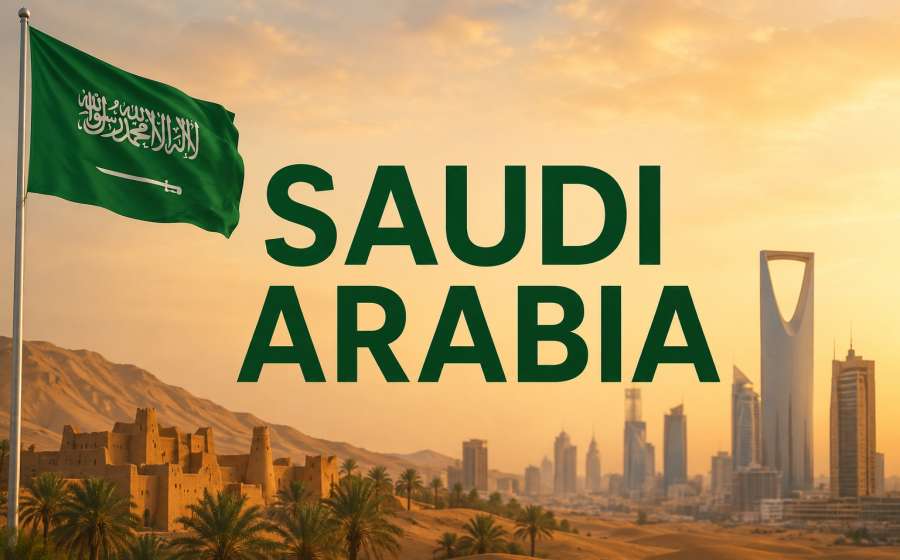
Saudi Arabia – History, Culture, Sports and Fascinating Facts About the Kingdom
Explore Saudi Arabia’s history, culture, sports, traditions, economy and key facts. Learn what makes this influential Middle Eastern kingdom unique.
Saudi Arabia
Saudi Arabia is one of the most influential countries in the Middle East and the Islamic world. Known for its vast deserts, rich cultural heritage, and significant role in global energy markets, the Kingdom of Saudi Arabia occupies most of the Arabian Peninsula. It is home to Islam’s two holiest cities and has become an important center for business, tourism, and international relations.
In recent years, Saudi has undergone rapid modernization while preserving its traditional values and cultural identity. Its unique blend of history, religion, and development makes it a fascinating country to explore.
Table of Contents
History of Saudi Arabia
The history of Saudi Arabia stretches back thousands of years. Ancient trade routes passed through the Arabian Peninsula, connecting Asia, Africa, and Europe. Various civilizations flourished in the region, leaving behind archaeological sites that reveal the area’s rich past. A major turning point came in the 7th century when Islam emerged in the cities of Mecca and Medina. The teachings of Prophet Muhammad spread across Arabia and eventually around the world, making the region a spiritual center for Muslims.
The modern Kingdom of Saudi Arabia was established in 1932 by King Abdulaziz Ibn Saud, who united various tribes and regions under a single nation. The discovery of oil in the 1930s transformed the country’s economy and positioned it as a key player in global energy markets. Today, Saudi continues to diversify its economy through initiatives such as Vision 2030, aiming to reduce dependence on oil and promote tourism, technology, and innovation.
Geography and Climate
Saudi Arabia covers approximately 2.15 million square kilometers, making it one of the largest countries in Asia. It shares borders with Jordan, Iraq, Kuwait, Bahrain, Qatar, the United Arab Emirates, Oman, and Yemen. The country is famous for its vast deserts, including the Rub’ al Khali (Empty Quarter), one of the largest continuous sand deserts in the world.
Mountain ranges can be found in the western and southwestern regions, while coastal areas border the Red Sea and the Arabian Gulf. Saudi experiences a predominantly desert climate, with hot summers and mild winters. Rainfall is limited in most areas, though some mountainous regions receive more precipitation.
Culture and Traditions
Saudi culture is deeply rooted in Arab traditions and Islamic values. Hospitality is highly valued, and guests are often welcomed with Arabic coffee and dates.
Family plays a central role in Saudi society, and traditional customs remain important despite modernization. Cultural celebrations, traditional music, poetry, and folk dances continue to be preserved and promoted.
Traditional Saudi clothing reflects both practicality and cultural identity. Men commonly wear the thobe, while women traditionally wear the abaya. Modern fashion trends are increasingly visible, particularly in major cities.
The Arabic language is the official language of Saudi Arabia, while English is widely used in business, education, and tourism.
Religion and Spiritual Significance
Saudi Arabia holds immense religious importance because it contains Mecca and Medina, the two holiest cities in Islam.
Every year, millions of Muslims visit the country to perform Hajj and Umrah pilgrimages. These religious journeys make Saudi Arabia one of the most significant spiritual destinations in the world.
The presence of important Islamic landmarks contributes greatly to the country’s cultural and historical importance.
Economy and Development
Saudi Arabia possesses some of the world’s largest oil reserves and is among the leading oil-producing nations. Petroleum exports have long been the backbone of the national economy.
However, the government has launched ambitious programs to diversify economic activities. Investments are being made in tourism, renewable energy, entertainment, manufacturing, and technology sectors.
Major infrastructure projects, smart cities, and tourism developments are helping transform the nation’s economic landscape and create new opportunities for future generations.
Sports in Saudi Arabia
Sports are becoming increasingly popular across Saudi Arabia. Football is by far the nation’s favorite sport and attracts enormous public interest.
The Saudi national football team has participated in multiple FIFA World Cup tournaments and achieved notable success in Asian football competitions. Domestic football leagues continue to attract talented players and international attention.
Other popular sports include:
- Basketball
- Volleyball
- Tennis
- Motorsport
- Camel racing
- Horse racing
- Athletics
Saudi Arabia has also hosted major international sporting events, including boxing matches, Formula One races, golf tournaments, and football competitions. These events have strengthened the country’s position as a growing global sports destination.
Food and Cuisine
Saudi cuisine reflects the country’s history, geography, and cultural influences. Traditional meals often feature rice, lamb, chicken, dates, and aromatic spices.
Popular Saudi dishes include:
- Kabsa
- Mandi
- Jareesh
- Mutabbaq
- Harees
Arabic coffee, known as “Gahwa,” is an important symbol of hospitality and is often served with dates.
The country’s culinary scene has expanded significantly, with international cuisines now available alongside traditional Saudi dishes.
Tourism and Attractions
Saudi Arabia has opened its doors to international tourism in recent years, showcasing its natural beauty, historical sites, and cultural heritage.
Popular attractions include:
- Mecca
- Medina
- AlUla
- Edge of the World
- Red Sea coastline
- Diriyah
- Empty Quarter Desert
Visitors can experience ancient archaeological sites, stunning landscapes, modern cities, and traditional Arabian hospitality.
Key Facts About Saudi Arabia
| Fact | Details |
|---|---|
| Official Name | Kingdom of Saudi Arabia |
| Capital | Riyadh |
| Continent | Asia |
| Official Language | Arabic |
| Currency | Saudi Riyal (SAR) |
| Government | Monarchy |
| Area | Approximately 2.15 million sq km |
| Population | Over 35 million |
| Major Religion | Islam |
| National Day | 23 September |
Summary
Saudi Arabia is a nation where ancient traditions meet modern ambitions. From its historic role in the birth of Islam to its growing influence in global business, tourism, and sports, the Kingdom continues to evolve while preserving its cultural heritage. Its remarkable history, rich traditions, stunning landscapes, and economic transformation make Saudi Arabia one of the most fascinating countries in the world. Whether viewed through the lens of history, culture, religion, or development, Saudi Arabia remains a country of immense significance and global importance.
Also Check: General Knowledge