Moldova – History, Culture, Sports, Tourist Places and Fascinating National Facts
Discover Moldova through its history, culture, sports, geography, traditions, economy and key facts in this overview of one of Eastern Europe’s unique nations.
Moldova
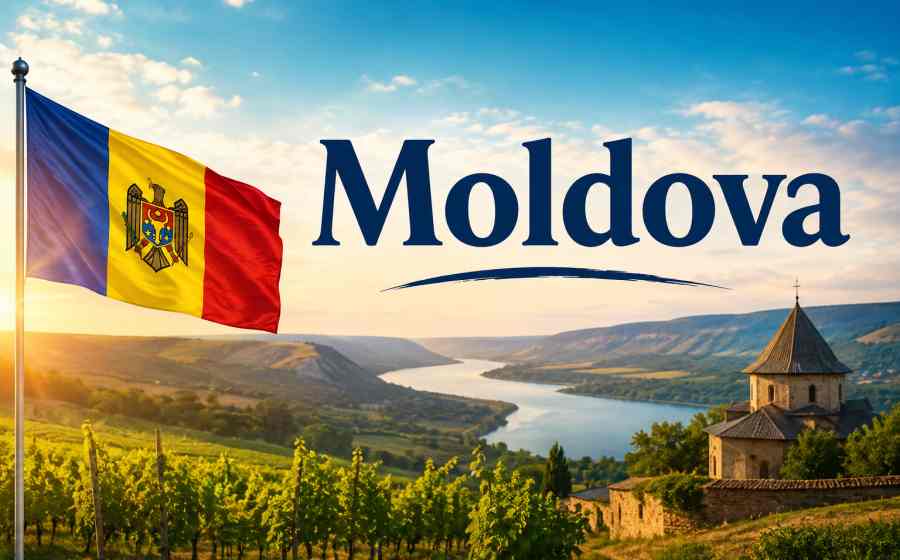
Moldova is a small but culturally rich country located in Eastern Europe. Although it is one of the continent’s lesser-known nations, Moldova has a fascinating history, beautiful landscapes, ancient traditions, and a growing reputation in wine production. Surrounded by Romania to the west and Ukraine to the north, east, and south, Moldova has long been influenced by different civilizations and empires. Today, it is an independent republic known for its hospitality, folk traditions, and peaceful countryside.
Despite its modest size, Moldova offers an interesting blend of historical heritage, agricultural prosperity, and cultural diversity, making it an important country to learn about in world geography.
Table of Contents
Geography of Moldova
Moldova covers an area of approximately 33,846 square kilometers, making it one of Europe’s smaller countries. It has no coastline and is entirely landlocked.
The country consists mainly of rolling hills, fertile plains, forests, and river valleys. The Dniester River is Moldova’s longest and most significant river, while the Prut River forms much of its western border with Romania.
Moldova experiences a temperate continental climate, with warm summers, cold winters, and moderate rainfall. The fertile black soil supports extensive farming, vineyards, and orchards.
Capital and Major Cities
- Capital: Chișinău
- Bălți
- Tiraspol
- Cahul
- Orhei
Chișinău is the country’s political, economic, and cultural center.
History of Moldova
The history of Moldova stretches back thousands of years. The region was once inhabited by ancient Dacian tribes before becoming part of the Roman Empire.
During the Middle Ages, the Principality of Moldavia emerged as an independent state. It became famous under rulers such as Stephen the Great, who successfully defended the region against invading forces and built numerous churches and monasteries.
Over the centuries, Moldova came under the influence of the Ottoman Empire, the Russian Empire, and later the Soviet Union. In 1940, most of present-day Moldova became the Moldavian Soviet Socialist Republic.
Following the collapse of the Soviet Union, Moldova declared independence on 27 August 1991. Since then, the country has worked toward strengthening democracy, improving its economy, and expanding international cooperation.
People and Culture
Moldovan culture reflects influences from Romanian, Slavic, Turkish, and Russian traditions. Family values, hospitality, and community celebrations remain central to daily life.
Traditional music, dancing, and colorful costumes are proudly displayed during festivals and national celebrations. Folk dances are often performed at weddings and cultural events.
The official language is Romanian, although Russian is also widely spoken in many parts of the country. Religion plays an important role, with Eastern Orthodox Christianity being the dominant faith.
Traditional Food
Moldovan cuisine is simple, hearty, and influenced by neighboring countries. Popular dishes include:
- Mămăligă (cornmeal porridge)
- Sarmale (stuffed cabbage rolls)
- Zeamă (traditional chicken soup)
- Placinte (filled pastries)
- Grilled meats
- Fresh vegetables
- Homemade cheeses
Moldova is especially famous for its excellent grapes and high-quality wines, with wine production forming an important part of the country’s identity.
Festivals and Traditions
Many Moldovan festivals celebrate agriculture, harvests, music, and religious traditions. Important celebrations include:
- Independence Day
- National Wine Day
- Christmas
- Easter
- Martisor Festival (welcoming spring)
These festivals feature folk music, dancing, traditional clothing, crafts, and local cuisine.
Economy
Agriculture remains one of Moldova’s most important industries. Major agricultural products include:
- Grapes
- Wheat
- Corn
- Sunflowers
- Apples
- Plums
- Vegetables
Wine exports contribute significantly to the national economy, and Moldova is recognized as one of Europe’s historic wine-producing regions.
Other growing sectors include:
- Food processing
- Information technology
- Textile manufacturing
- Tourism
- Renewable energy
Economic reforms continue to support investment and development.
Education
Education is compulsory for children and literacy rates are high. The country has public and private schools, vocational institutions, and universities. Higher education focuses on engineering, medicine, agriculture, economics, and information technology.
Many Moldovan students also pursue education abroad while maintaining strong cultural ties to their homeland.
Sports in Moldova
Football is the most popular sport in Moldova. Other widely played sports include:
- Wrestling
- Judo
- Boxing
- Athletics
- Weightlifting
- Basketball
- Rugby
Moldovan athletes have achieved success in wrestling, canoeing, judo, and weightlifting at European and international competitions. Sports participation continues to grow with increasing support for youth programs.
Wildlife and Nature
Although relatively small, Moldova has diverse wildlife and protected natural areas. Common wildlife includes:
- Deer
- Wild boar
- Foxes
- Wolves
- Rabbits
- Various bird species
Forests, wetlands, and nature reserves help preserve biodiversity. The country’s fertile countryside also supports numerous orchards, vineyards, and agricultural landscapes.
Tourism
Moldova offers visitors peaceful villages, historical monasteries, scenic vineyards, and cultural attractions. Popular places include:
- Chișinău
- Orheiul Vechi archaeological complex
- Cricova underground wine cellars
- Mileștii Mici wine cellars
- Soroca Fortress
Wine tourism has become one of Moldova’s fastest-growing attractions.
Government
Moldova is a parliamentary republic. The President serves as the head of state, while the Prime Minister leads the government. The country’s parliament passes laws and oversees national governance.
Moldova maintains diplomatic relations with countries around the world and participates in several international organizations.
Interesting Facts About Moldova
- Moldova became independent in 1991.
- Chișinău is the largest city in the country.
- Moldova is one of Europe’s leading wine-producing nations.
- Much of the country is covered by fertile farmland.
- The official language is Romanian.
- Agriculture plays a major role in the economy.
- National Wine Day is one of the country’s biggest celebrations.
- Traditional folk music and dance remain important cultural symbols.
- Moldova is landlocked between Romania and Ukraine.
- The country is known for its welcoming hospitality and peaceful rural landscapes.
Summary
Moldova may be one of Europe’s smaller nations, but it possesses a remarkable combination of history, culture, natural beauty, and agricultural heritage. From its medieval roots and rich folk traditions to its internationally recognized vineyards and growing modern economy, Moldova offers many fascinating aspects for learners and travelers alike. Understanding Moldova provides valuable insight into the cultural diversity and historical development of Eastern Europe, making it an important topic in general knowledge and world geography.
Also Check: General Knowledge