Portugal – History, Culture, Sports, Famous Places and Fascinating Facts
Explore Portugal, its rich history, vibrant culture, famous sports, unique traditions, beautiful landscapes, delicious cuisine and fascinating national facts.
Portugal
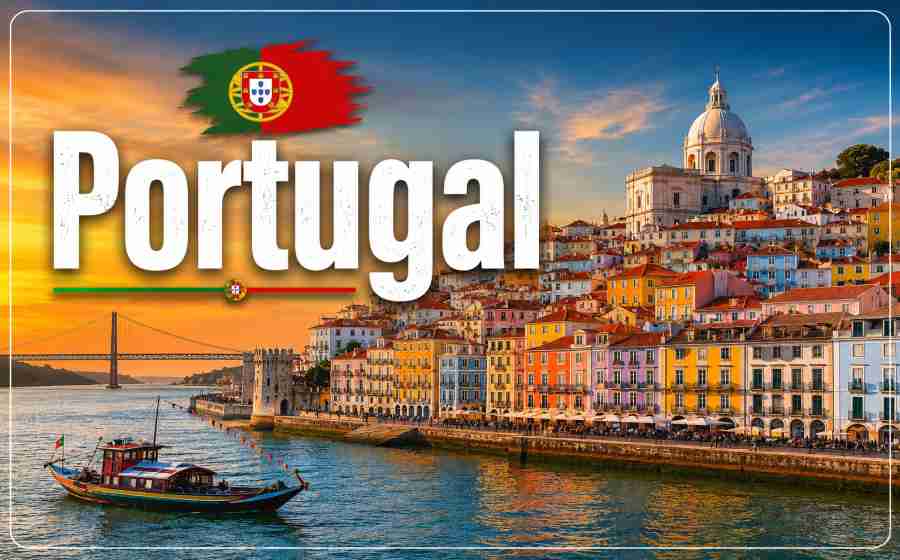
Portugal is one of Europe’s oldest and most historically significant countries. Located on the Iberian Peninsula in southwestern Europe, it shares its only land border with Spain and has a long coastline along the Atlantic Ocean. Though relatively small in size, Portugal has played an enormous role in world history through exploration, trade, maritime discoveries, and cultural influence. Today, it is known for its beautiful cities, historic monuments, football excellence, delicious cuisine, and warm hospitality.
Table of Contents
Geography of Portugal
Portugal covers an area of approximately 92,090 square kilometers. It consists of mainland Portugal along with the Atlantic island groups of Madeira and the Azores, both of which are autonomous regions.
- Capital: Lisbon
- Largest City: Lisbon
- Official Language: Portuguese
- Currency: Euro (€)
- Government: Parliamentary Republic
- Population: Around 10.5 million
Portugal enjoys a Mediterranean climate with hot summers and mild winters, making it a popular tourist destination throughout the year.
History of Portugal
Portugal has a rich and fascinating history stretching back thousands of years. Ancient Celtic tribes first inhabited the region before it became part of the Roman Empire around the 2nd century BC. The Romans built roads, cities, and introduced many cultural influences that remain visible today.
After the fall of Rome, the Visigoths ruled the area until the Moors from North Africa conquered much of the Iberian Peninsula in the 8th century. Christian kingdoms gradually reconquered the territory during the Reconquista.
Portugal officially became an independent kingdom in 1143 under King Afonso I, making it one of Europe’s oldest nation-states with nearly unchanged borders.
The country’s greatest period came during the Age of Discovery in the 15th and 16th centuries. Portuguese explorers sailed across unknown oceans, opening sea routes to Africa, Asia, and South America.
Some famous Portuguese explorers include:
- Vasco da Gama
- Ferdinand Magellan
- Bartolomeu Dias
- Pedro Álvares Cabral
Their voyages transformed global trade and established Portugal as one of the world’s leading maritime powers.
Portuguese Culture
Portugal’s culture reflects centuries of Roman, Moorish, Christian, and maritime influences. Portuguese people are known for their friendliness, family values, and pride in their traditions.
Language
Portuguese is the official language and is spoken by over 260 million people worldwide, making it one of the world’s most widely spoken languages.
Music
Portugal is famous for Fado, a traditional style of music known for its emotional and melancholic melodies. Fado songs often express longing, love, and nostalgia.
Architecture
Portuguese architecture blends Gothic, Romanesque, Manueline, and Baroque styles. Historic castles, monasteries, churches, and colorful tiled buildings decorate many cities.
Festivals
Popular festivals include:
- Carnival
- Saint Anthony Festival
- Festa de São João
- Christmas celebrations
- Easter processions
These events feature music, dancing, traditional food, and colorful decorations.
Portuguese Cuisine
Portuguese cuisine is famous for fresh seafood and flavorful dishes.
Popular foods include:
- Bacalhau (salted codfish)
- Sardines
- Caldo Verde (green soup)
- Grilled seafood
- Portuguese cheeses
- Olive oil-based dishes
One of Portugal’s most famous desserts is the Pastel de Nata, a delicious custard tart enjoyed worldwide. Portugal is also internationally known for producing excellent wines, especially Port Wine, which originated in the Douro Valley.
Sports in Portugal
Football (soccer) is by far the most popular sport in Portugal. The Portuguese national football team has achieved remarkable success, including:
- UEFA Euro Championship (2016)
- UEFA Nations League titles
Portugal has produced many world-famous footballers, including:
- Cristiano Ronaldo
- Eusébio
- Luís Figo
- Rui Costa
- Pepe
Major football clubs include:
- Benfica
- FC Porto
- Sporting CP
Other popular sports include:
- Athletics
- Surfing
- Basketball
- Handball
- Cycling
- Tennis
Portugal’s Atlantic coastline also makes it one of the world’s leading destinations for surfing.
Economy of Portugal
Portugal has a diversified economy based on:
- Tourism
- Manufacturing
- Agriculture
- Renewable energy
- Fisheries
- Technology
- Wine production
Tourism contributes significantly to the country’s economy because of its historic cities, beautiful beaches, pleasant climate, and cultural attractions. Portugal is also recognized as a leader in renewable energy, particularly wind and solar power.
Education in Portugal
Education is compulsory for children between the ages of 6 and 18. Portugal has several respected universities, including the historic University of Coimbra, founded in 1290, making it one of Europe’s oldest universities. The country has significantly improved literacy and educational standards over recent decades.
Famous Places in Portugal
Portugal offers many attractions for visitors. Some of the most famous places include:
- Lisbon
- Porto
- Sintra
- Algarve
- Madeira Islands
- Azores Islands
- Douro Valley
- Belém Tower
- Jerónimos Monastery
- Pena Palace
These destinations attract millions of tourists every year.
Wildlife and Nature
Portugal has diverse landscapes ranging from mountains to coastal cliffs. Its wildlife includes:
- Iberian wolf
- Wild boar
- Foxes
- Eagles
- Dolphins
- Numerous migratory birds
Several national parks and protected reserves help preserve biodiversity.
Interesting Facts About Portugal
- Portugal is one of the oldest countries in Europe.
- Lisbon is one of Europe’s oldest capitals.
- Portuguese is spoken on four continents.
- Portugal established the first global maritime empire.
- The world’s longest bridge in Europe, the Vasco da Gama Bridge, is located near Lisbon.
- Portugal has one of the highest numbers of sunny days in Europe.
- The country is famous for cork production and supplies more than half of the world’s cork.
- Portugal abolished the death penalty for civil crimes in the 19th century.
- Surfers from around the world visit Nazaré for its giant ocean waves.
- Portugal is consistently ranked among the safest countries in the world.
National Symbols of Portugal
- National Flag: Green and red with the Portuguese coat of arms.
- National Anthem: “A Portuguesa.”
- National Animal: Rooster (symbolically represented by the famous Barcelos Rooster).
- National Flower: Lavender is commonly associated, though Portugal is better known for symbolic flora such as the carnation due to the Carnation Revolution.
- National Day: 10 June (Portugal Day).
Why Portugal Matters Globally
Portugal’s influence extends far beyond its borders. It helped connect continents through exploration, introduced new trade routes, spread its language across the globe, and contributed significantly to navigation and maritime science. Today, Portugal continues to play an important role in the European Union, international diplomacy, renewable energy, sports, tourism, and global culture.
Summary
Portugal is a nation where history, culture, and natural beauty come together in remarkable harmony. From the Age of Discovery and legendary explorers to world-class football, delicious cuisine, vibrant festivals, and stunning coastlines, Portugal offers something for everyone. Its enduring heritage, peaceful society, and global influence make it an important country to study in general knowledge and world history. Whether admired for its historic achievements or its modern innovations, Portugal remains one of Europe’s most fascinating and influential nations.
Also Check: General Knowledge